
A Cultural Journey guide to Must-See Historical Sites in Pakistan. Pakistan, a land steeped in history and culture, offers a rich tapestry of historical sites that span millennia. From the remnants of ancient civilizations to the majestic forts and mosques of the Mughal era, Pakistan’s diverse heritage provides a captivating glimpse into its storied past. Whether you’re wandering through the ruins of Mohenjo-Daro or admiring the intricate designs of the Wazir Khan Mosque. These must-see destinations promise an unforgettable cultural adventure.

Wazir Khan Mosque
Located in the heart of Lahore, the Wazir Khan Mosque is an architectural gem from the Mughal era, constructed between 1634 and 1641 under the reign of Shah Jahan. Visitors are captivated by its vibrant colors and the serene ambiance of its courtyard. The best time to visit is during the spring and autumn months.
Rohtas Fort
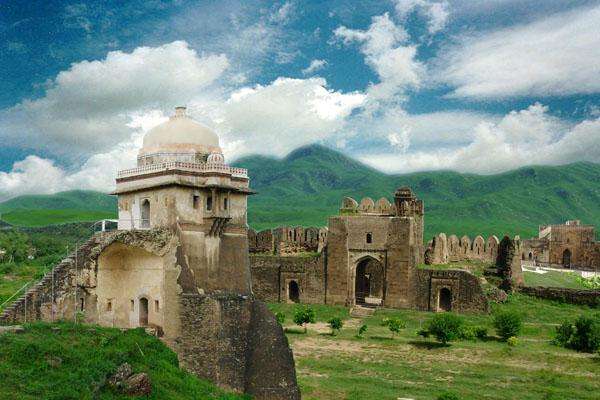
Stands near Jhelum in Punjab and serves as a UNESCO World Heritage Site as well as one of the must-see historical sites of Pakistan. Sher Shah Suri built this formidable fortress in the 16th century to prevent the return of Mughal Emperor Humayun and to control the local Gakhar tribes. In addition, the fort showcases massive stone defensive walls and impressive gateways such as Sohail Gate and Shah Chandwali Gate, which highlight its military strength and strategic design. Therefore, visitors explore Rohtas Fort best during cooler months when outdoor walking across its vast complex remains comfortable.
Badshahi Mosque
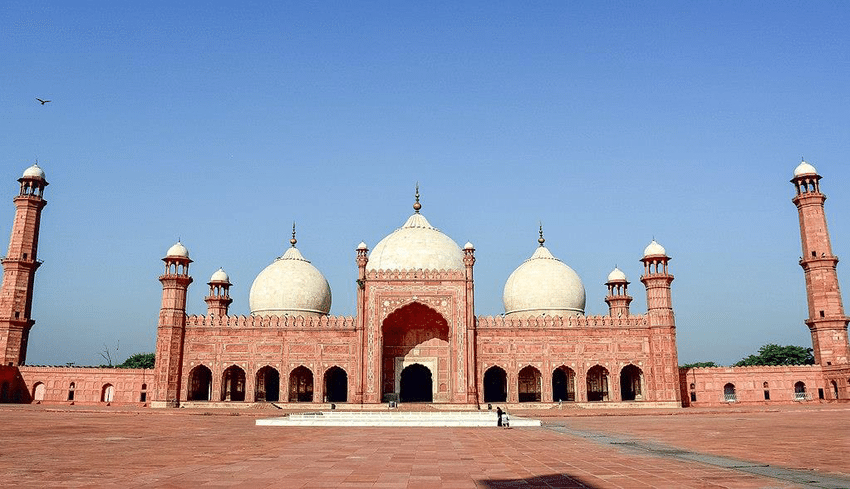
Badshahi Mosque stands in Lahore and ranks among the largest mosques in the world, while it also represents the peak of Mughal grandeur. Emperor Aurangzeb commissioned it in 1673, and it showcases red sandstone and white marble architecture with exceptional scale and precision. Moreover, its vast courtyard accommodates up to 100,000 worshippers, which highlights its monumental design and spiritual significance. Therefore, the mosque remains one of the most important must-see historical sites in Pakistan.
In addition, visitors experience the mosque at its best during spring and autumn because these seasons offer pleasant weather and clear conditions for exploration.
Lahore Fort
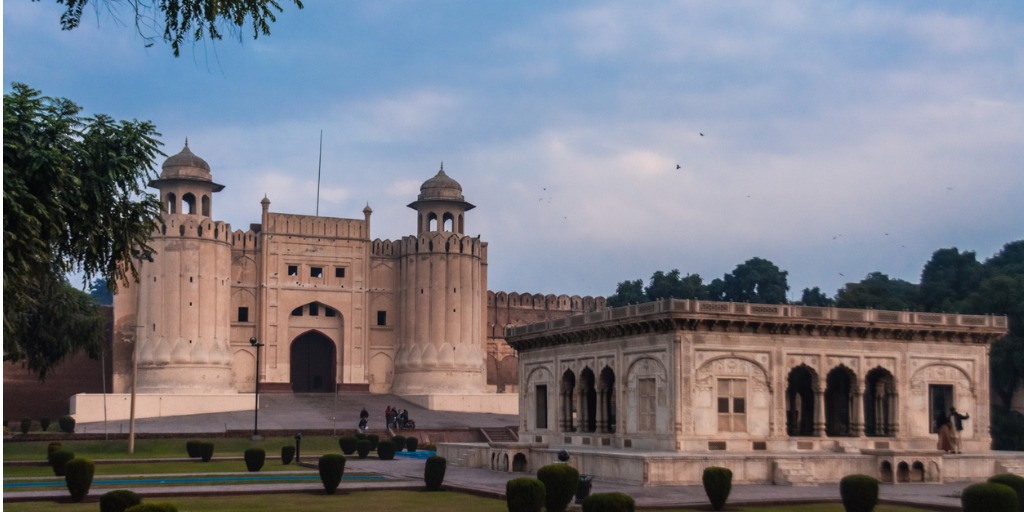
A cornerstone of Lahore’s rich history, the Lahore Fort dates back to the 11th century, though much of its present form was constructed during the reign of Akbar the Great. This UNESCO World Heritage Site includes notable structures like Sheesh Mahal (Palace of Mirrors) and Alamgiri Gate. The fort’s sprawling complex is best explored in the cooler months from November to March, when the weather is most pleasant. This is one of the top choices of Must-See Historical Sites in Pakistan.
Mohenjo-Daro

Mohenjo-Daro stands as one of the old settlements of the ancient Indus Valley Civilization and dates back to 2500 BCE in Sindh province. As a UNESCO World Heritage Site, it showcases one of the world’s earliest urban centers; moreover, it features advanced drainage systems and well-planned streets that highlight remarkable engineering for its time. Therefore, visitors gain deep insight into early urban life and civilization. To enjoy a comfortable experience, travelers should visit between October and February, as this period offers cooler weather and helps avoid the region’s intense summer heat.
Taxila Museum
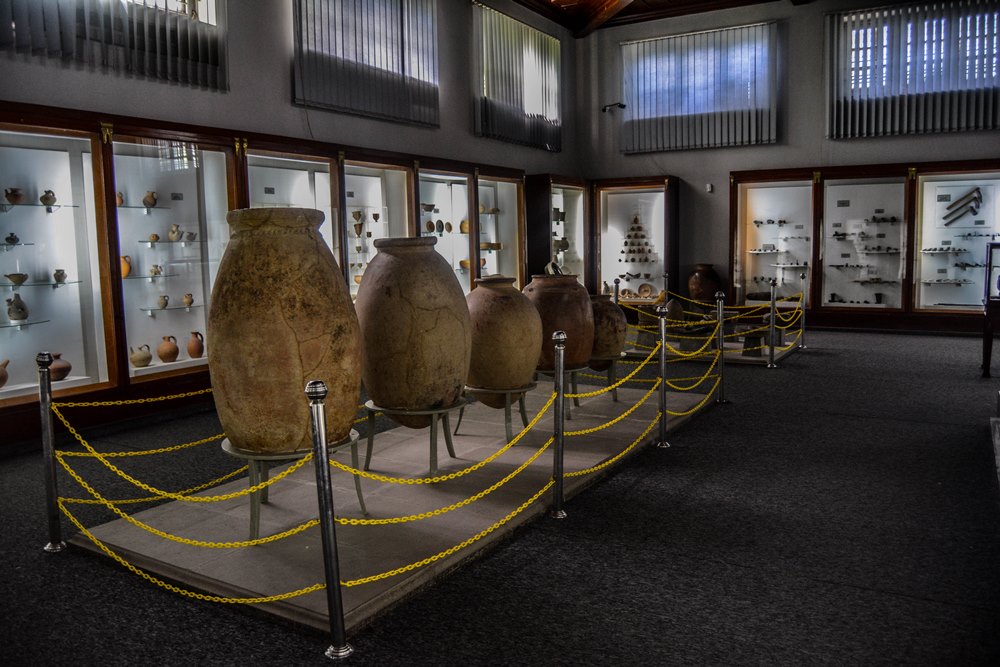
The Taxila Museum, located near the ancient city of Taxila, houses a rich collection of Gandharan art dating back to the 1st century CE. Visitors can explore artifacts, including sculptures, coins, and jewelry that reflect the region’s Buddhist heritage. The best time to visit is from November to March, when the weather is cooler and more suitable for exploring both the museum and the nearby archaeological sites. The Taxila Museum location is a must-visit destination for tourists as it has lots of historical insights. This is also on top of Must-See Historical Sites in Pakistan.
Minar-e-Pakistan
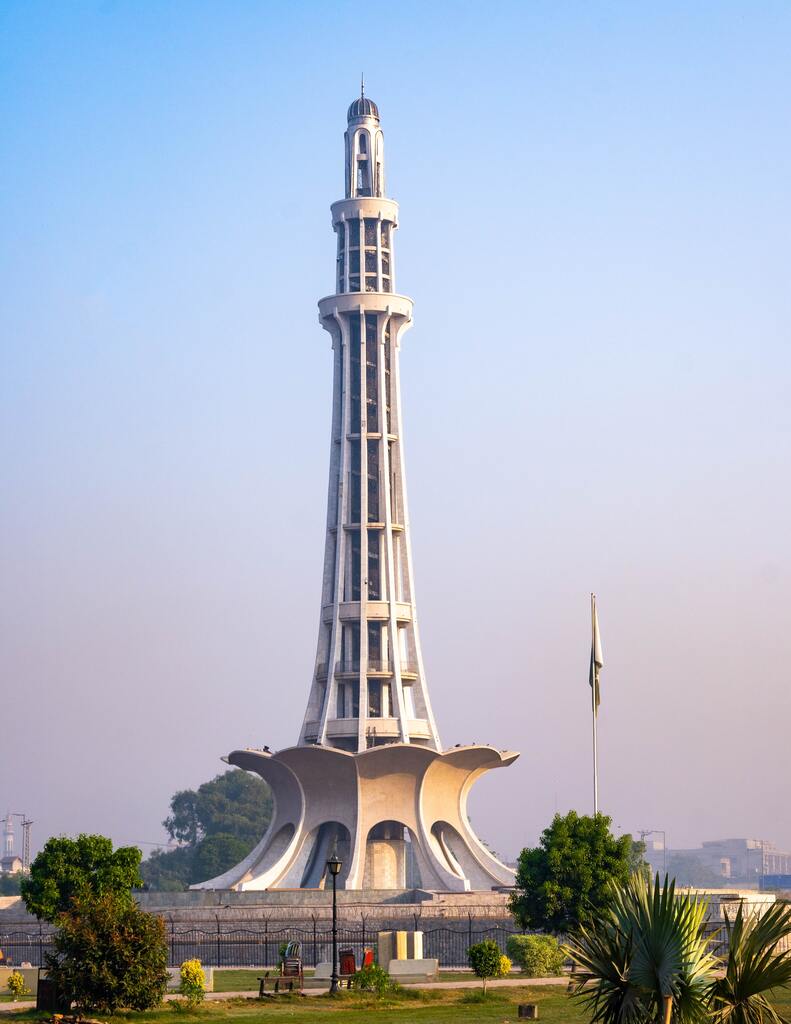
Minar-e-Pakistan stands in Iqbal Park and commemorates the Lahore Resolution of 1940, which led to the creation of Pakistan. The monument rises 70 meters high and showcases a blend of Mughal, Islamic, and modern architectural styles. Visitors enjoy the site most during spring and autumn, when the weather supports comfortable outdoor exploration.
Noor Mahal
Situated in Bahawalpur, Noor Mahal is a splendid palace constructed in 1872 by Nawab Sadiq Muhammad Khan IV. Reflecting Italian architectural influence, it features luxurious interiors and extensive gardens. The best time to visit these must-see historical sites in Pakistan is during the winter months from November to February, providing a comfortable climate to appreciate the palace’s opulent surroundings.

Hiran Minar
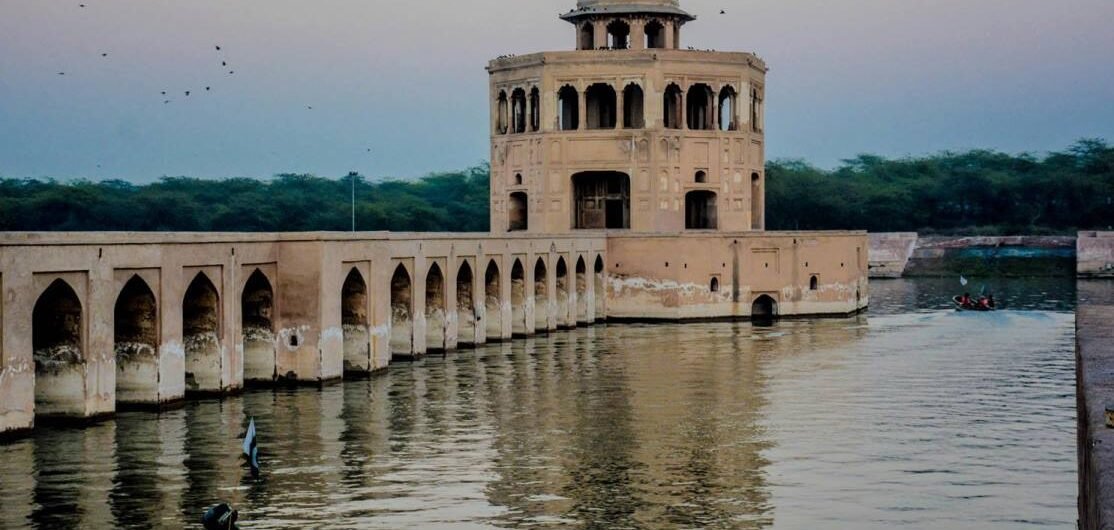
Hiran Minar, located near Sheikhupura, was built by Emperor Jahangir in the early 17th century as a monument to his beloved pet deer. The complex includes a large tank and an octagonal pavilion, exemplifying Mughal architecture. The ideal visiting season is from October to March, offering moderate weather conditions for a leisurely visit. This is also considered to be Must-See Historical Sites in Pakistan list.

Tomb of Jahangir
The Tomb of Jahangir in Shahdara Bagh, Lahore, is the final resting place of the Mughal Emperor Jahangir, built by his son Shah Jahan in the 17th century. Known for its exquisite frescoes, pietra dura, and lush gardens, this site is best visited during the cooler months of November to March, allowing visitors to fully appreciate its artistic and architectural beauty.


Harappa
Harappa, another significant site of the Indus Valley Civilization, is located in the Punjab province. Dating back to 2600 BCE, it features remnants of ancient urban planning, including granaries, cemeteries, and advanced drainage systems. The best time to visit is between October and February to avoid the extreme summer heat.
Ranikot Fort
Ranikot Fort, often referred to as the “Great Wall of Sindh,” is one of the largest forts in the world, stretching over 32 kilometers. Located in the Jamshoro District, its origins are shrouded in mystery, but it is believed to have been constructed during the Sassanian era. The ideal visiting season is from November to February, offering cooler temperatures suitable for exploring this vast fortification.

Katas Raj Temples
The Katas Raj Temples, located in the Chakwal District, are a complex of Hindu temples dating back to the 6th century. These temples are linked to various legends, including the Mahabharata, and are surrounded by a sacred pond. The best time to visit is from November to March, when the weather is pleasant, and the temples’ serene atmosphere can be fully enjoyed. Must-See Historical Sites in Pakistan allows the Katas Raj Temples as well to be listed as must-visit destinations.

Baltit Fort
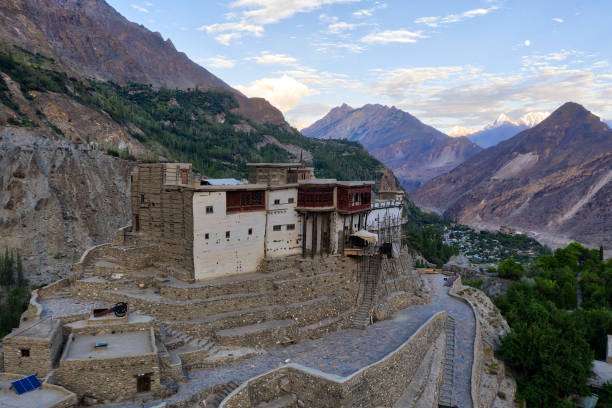
Baltit Fort stands above Karimabad in Hunza Valley and dates back over 700 years, serving as the residence of the Hunza royal family. The fort reflects Tibetan architectural style and offers panoramic views of the surrounding mountains and valleys. Visitors explore it best from April to October, when favorable weather supports trekking and sightseeing across the region.
Derawar Fort
Derawar Fort, located in the Cholistan Desert, is a massive square fortress originally built in the 9th century by Rai Jajja Bhatti. Its 40 towering bastions are visible from miles away, and the fort’s intricate design reflects its historical significance. The best time to visit is between November and March, avoiding the extreme heat of the desert summer.

Faisal Mosque
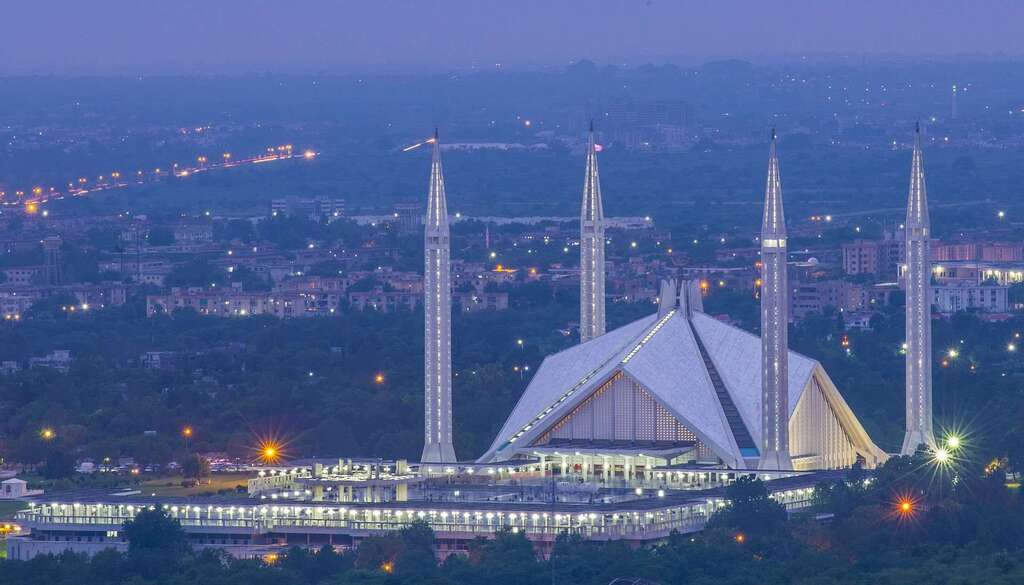
The Faisal Mosque in Islamabad, completed in 1986, is the largest mosque in Pakistan and a modern architectural marvel. Designed by Turkish architect Vedat Dalokay, its unique shape resembles a Bedouin tent. The design and environment make it a must-visit site. Especially during the cooler months from October to March.
Shalamar Garden and Fort
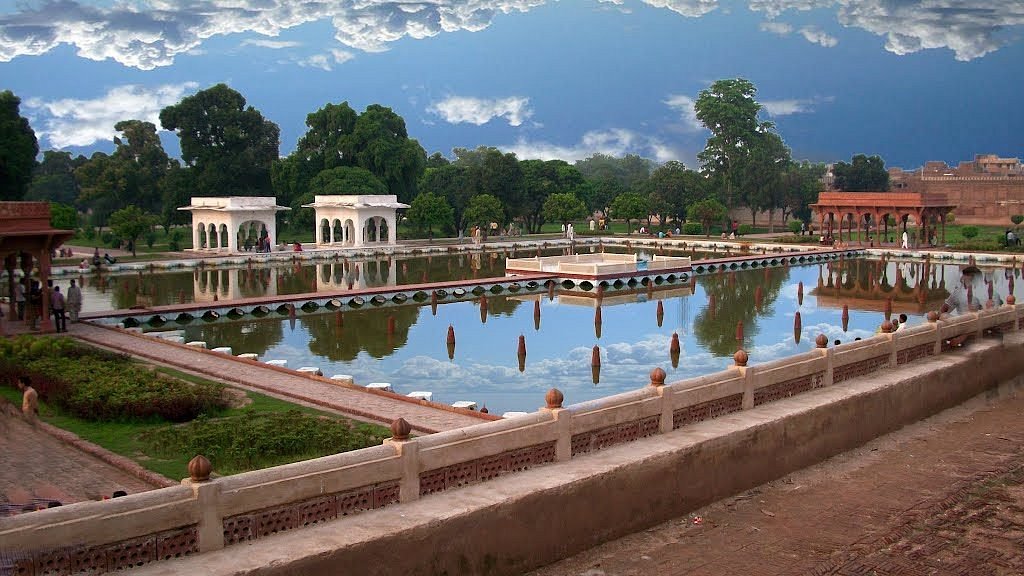
Shalimar Gardens stand in Lahore as a UNESCO World Heritage Site that Emperor Shah Jahan commissions in 1641. Moreover, the garden showcases classic Mughal design through its terraced levels, flowing water channels, and finely crafted pavilions. In addition, visitors experience the gardens at their best during spring (March to April) and autumn (October to November), when flowers bloom fully and the weather remains pleasant. Therefore, these gardens rank among the must-see historical sites in Pakistan.
Furthermore, Lahore Fort and Shalimar Gardens stand as twin UNESCO World Heritage Sites that Mughal rulers construct to reflect imperial grandeur and architectural excellence. Specifically, Lahore Fort highlights iconic structures such as the Sheesh Mahal, while Shalimar Gardens display elegant landscape design with cascading terraces and water features. As a result, travelers visit both sites most comfortably from October to March, when cooler weather supports extended outdoor exploration.
Pakistan Monumen
Pakistan Monument stands in Islamabad as a national symbol that represents the four provinces and three territories of Pakistan. Moreover, the structure highlights unity across the country, as it visually brings together these regions in one iconic design. In addition, architects complete the monument in 2007 and design its petal-like form with inspiration from Mughal architecture, which adds cultural depth and historical symbolism.
Furthermore, visitors explore the monument along with its adjacent museum, which enhances the overall experience. Therefore, travelers visit the site best during the cooler months from November to March, as pleasant weather makes outdoor exploration more comfortable and enjoyable.

Anarkali Bazaar
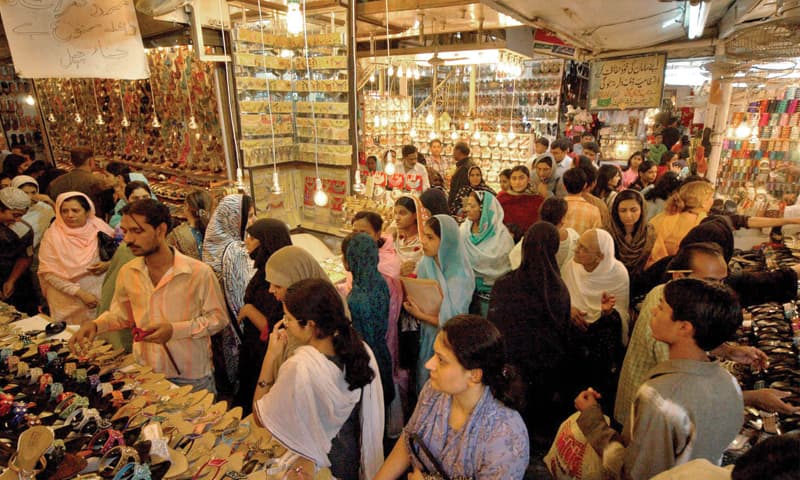
Anarkali Bazaar, one of the oldest markets in South Asia, is located in Lahore. This bustling market is named after the legendary courtesan Anarkali and is renowned for its vibrant atmosphere and a wide array of goods, including textiles, jewelry, and traditional crafts. The best visiting times are during the cooler months from November to March, offering a pleasant shopping experience.
Chaukhandi Tombs
The Chaukhandi Tombs, located near Karachi, are an early Islamic cemetery dating back to the 15th century. These sandstone tombs are notable for their intricate carvings and unique architectural style. The best time to visit is from November to March when the weather is cooler. Allowing for a more comfortable exploration of this historic site, as it is included in Must-See Historical Sites in Pakistan.

Delhi Gate
Delhi Gate, one of the 13 gates of the Walled City of Lahore, dates back to the Mughal era. This gate served as the main entrance to the city and is a gateway to a rich historical and cultural district. The best time to visit is during the cooler months from November to March, when the weather is ideal for exploring the surrounding bazaars and must-see historical sites of Pakistan.

Makli Necropolis
The Makli Necropolis, located near Thatta, is one of the largest graveyards in the world, with tombs dating from the 14th to the 18th centuries. This UNESCO World Heritage Site features a blend of Islamic, Persian, and Gujarati architectural styles. The best visiting season is from November to February, offering cooler temperatures for exploring this vast and historically rich site.

Chaqchan Mosque
Chaqchan Mosque stands as one of the oldest mosques in the region and dates back to the 14th century. Moreover, it reflects a unique blend of Tibetan, Persian, Mughal, and Islamic architectural influences, which highlights its cultural and historical significance. In addition, travelers visit the mosque between May and October, as the weather remains favorable for exploration. Therefore, visitors not only explore the historic mosque itself but also enjoy the surrounding scenic landscapes.

Khaplu Palace
Khaplu Palace, also known as Yabgo Khar, stands in Gilgit-Baltistan and dates back to the mid-19th century. The palace serves as the former royal residence of the Raja of Khaplu. It reflects a distinctive blend of Tibetan and Balti architectural styles. In addition, travelers visit the palace between May and October. Mild weather makes travel and exploration across this scenic region more comfortable.

Comments