
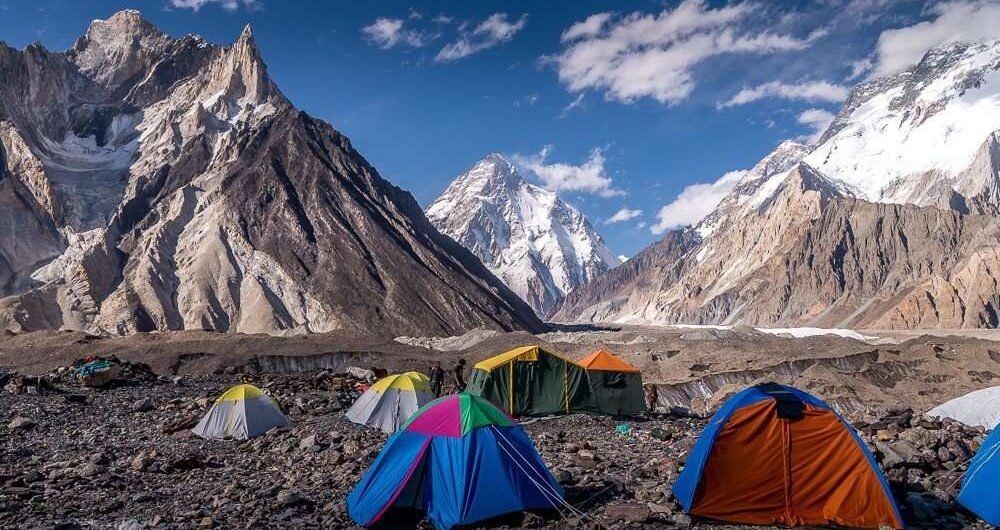
With massive mountain ranges, breathtaking glaciers, and untouched trekking routes, Pakistan attracts thousands of trekkers every year. Still, many international travelers ask the same important question: Is trekking in Pakistan safe?
The simple answer is yes. Trekking in Pakistan is generally very safe, especially in the northern mountain regions where tourism is well developed. Areas like Hunza, Skardu, Gilgit, Fairy Meadows, and Baltoro Glacier are considered peaceful and welcoming for tourists. With proper planning and experienced local guides, Pakistan offers one of the most rewarding trekking experiences in the world.
Reality of Trekking Safety in Pakistan
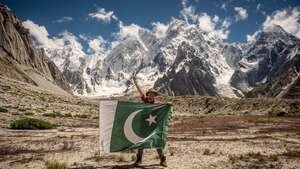
Northern Pakistan, particularly Gilgit-Baltistan, is widely regarded as one of the safest trekking regions in Asia. Most famous trekking routes are located far from politically sensitive areas and are heavily supported by local tourism communities.
Popular trekking regions include:
- Hunza
- Skardu
- Gilgit
- Baltoro Glacier
These destinations receive both domestic and international tourists throughout the trekking season. Local people rely heavily on tourism, which creates a strong culture of hospitality and support for visitors.
Local Hospitality (A Major Advantage)
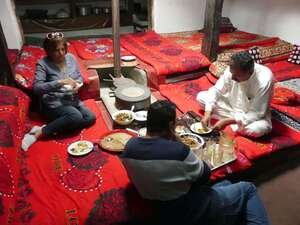
One of the main reasons travelers feel comfortable in Pakistan is the incredible hospitality of local communities. In northern villages, guests are treated with warmth, respect, and generosity. Many trekkers say the kindness of local people becomes one of the best memories of their journey.
Travelers often experience:
- Friendly welcomes in remote villages
- Free tea or meals offered by locals
- Assistance during difficult trekking conditions
- Genuine curiosity and respect from communities
This hospitality creates a positive and safe environment for foreign trekkers, especially in tourism-focused regions like Hunza and Skardu.
Government & Security Measures
Pakistan’s tourism industry has improved significantly in recent years. The government and local authorities now actively support trekking and adventure tourism through better infrastructure and security systems.
Safety measures include:
- Tourist police in northern areas
- Registered trekking companies and guides
- Controlled access to restricted regions
- Tourism facilitation centers
- Increased road and communication improvements
Most organized trekking expeditions are carefully monitored, especially on famous routes like the K2 Base Camp Trek and Baltoro Glacier Trek.
Real Risks Trekkers Should Know
Although security concerns are relatively low in northern Pakistan, trekkers should still understand the natural risks associated with mountain travel.
1. Weather Conditions
Mountain weather in Pakistan can change quickly. Sudden rain, snowfall, landslides, and glacier movement can affect trekking routes, especially at high altitudes.
2. Altitude Sickness
Altitude sickness is one of the most common risks during high-altitude trekking. Symptoms usually appear above 3,500 meters and can include headaches, dizziness, and nausea. Proper acclimatization is extremely important.
3. Remote Terrain
Many trekking routes pass through isolated valleys where medical facilities are limited. Evacuation and rescue operations may take time due to difficult terrain and weather conditions.
Essential Safety Tips for Trekkers
To enjoy a safe trekking experience in Pakistan, travelers should follow a few important precautions:
- Always trek with a licensed guide or operator
- Purchase proper travel and rescue insurance
- Follow acclimatization schedules carefully
- Stay hydrated and physically prepared
- Carry appropriate trekking equipment
- Avoid solo trekking in remote regions
- Check weather conditions regularly
Preparation plays a major role in reducing risks during any mountain expedition.
Safety Comparison With Other Trekking Destinations
When compared to other global trekking destinations, Pakistan offers a similar level of trekking safety. In many northern regions, crime rates against tourists are actually lower than in several popular travel destinations worldwide.
Most risks in Pakistan come from environmental conditions rather than security concerns.
Conclusion
Trekking in Pakistan is safe, rewarding, and increasingly popular among international adventurers. The country’s northern mountain regions offer peaceful trekking routes, breathtaking landscapes, and some of the warmest hospitality in the world. While natural challenges such as altitude, weather, and remote terrain exist, proper planning and experienced local guides make trekking much safer.