

Introduction
Over the past few years, Pakistan has transformed into one of the most exciting trekking destinations in the world. With iconic routes leading to giants like K2 and Nanga Parbat, the country is now firmly on the radar of global adventure travelers. However, a common question still arises: Is trekking in Pakistan safe for foreign tourists?
The short answer is yes—with the right planning and professional support, trekking in Pakistan is not only safe but also incredibly rewarding. That said, understanding the real situation on the ground is essential for making informed travel decisions.
Trekking & Restricted Area Permits
For trekking in high-altitude or sensitive regions such as routes near K2, special permits may be required. These include:
- Trekking permits
- No Objection Certificates (NOCs)
These documents are typically arranged by licensed tour operators, ensuring a smooth experience for foreign trekkers.
Registration & Local Compliance
In some areas, foreign tourists may need to register with local authorities. Guides or travel companies usually handle this and do not create inconvenience for travelers.
Overall, Pakistan’s visa system is streamlined, efficient, and designed to encourage tourism.
Local Hospitality – A Unique Advantage
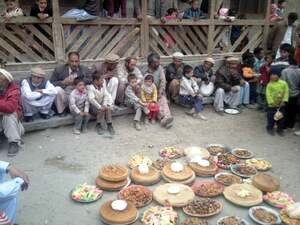
Hospitality in Pakistan is warm, welcoming, and personal. Locals in hiking areas of Hunza Valley and Gilgit-Baltistan are hospitable to foreign travelers. Respect for guests is deep-seated, and community support is common in places far removed from major cities. These social rapport highly contribute to safety.
Tourist Visa Information for Pakistan
Pakistan has significantly simplified its visa process, making travel easier and more accessible for international visitors.
E-Visa System
A Pakistan tourist visa can be applied for online by most passport holders (minimum validity of 6 months required) along with a recent photograph and a confirmed hotel booking or invitation letter. Processing duration: 3-7 working days
Visa on Arrival
Citizens of selected countries can benefit from Visa on Arrival facilities, especially when traveling for tourism purposes. This option is commonly used by travelers booking organized tours.
Real Risks You Should Consider
While security concerns are minimal in trekking areas, natural risks remain:
Altitude Sickness
High-altitude treks can exceed 5,000 meters. Proper acclimatization is essential.
Weather Conditions
Sudden weather changes are common in mountainous regions and can impact travel plans.
Remote Terrain
Limited infrastructure in remote areas means access to medical care and communication can be challenging.
Importantly, crime risk in trekking regions is extremely low, and most risks are environmental rather than security-related.
Safety Measures in Place
Pakistan Trekkers: In foreign trekking areas, a licensed guide is recommended or sometimes required; some areas of the country (e.g., Skardu) are supported by government oversight for safety, rescue, and evacuation. These precautions are beneficial for trekkers at every step of their journey.
Best Practices for Safe Trekking
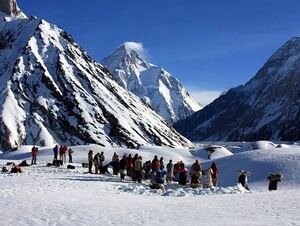
To ensure a safe and enjoyable experience:
- Travel with a reputable tour operator
- Avoid solo trekking in remote regions
- Plan proper acclimatisation days
- Stay updated on weather forecasts
- Carry essential gear and supplies
Conclusion
Is trekking in Pakistan safe? Yes, it is both safe and rewarding when properly planned and professionally executed. In recent years, access to remote regions has significantly improved, while visa procedures have become much simpler for international travellers. Moreover, the presence of experienced local guides, support teams, and trekking operators has further enhanced safety standards across the country. As a result, Pakistan is now increasingly recognised as a haven for adventurous trekkers seeking dramatic landscapes, authentic cultural experiences, and some of the world’s wildest mountain scenery.