
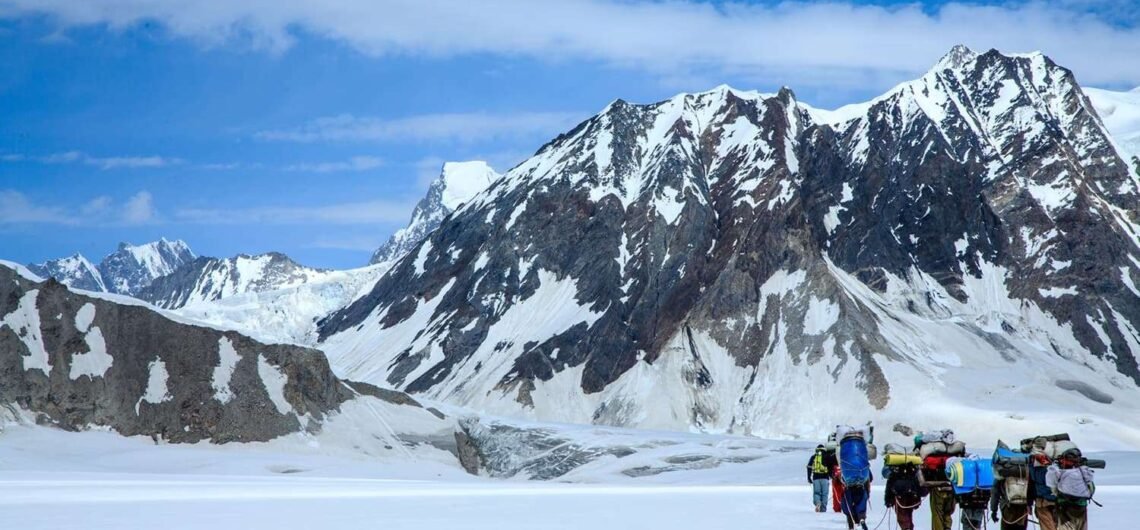
Introduction
Timing is one of the most important factors when planning a trekking trip in Pakistan. Due to Pakistan’s extreme seasonal variation, knowing the best time to trek has a significant impact on safety, accessibility, and overall experience.
Complete Seasonal Breakdown
Spring (April–May)
- Green valleys
- Moderate temperatures
- Limited high-altitude access
This time of the year is suitable for tours within or close to the cities like Hunza, Skardu, Shigar, Ghanche, Ghizer, etc.
Summer (June–August)
- Peak trekking season
- Full access to the Karakoram and the Himalayas
- Best for high-altitude expeditions
This window is the opportunity for trekking and expeditions across Gilgit Baltistan. From Nanga Parbat and mountains in Hunza to the very end of the region in Baltoro Glacier, covering K2, Broad Peak, and many other peaks.
Autumn (September–October)
- Clear skies
- Golden landscapes
- Fewer tourists
This short window provides opportunities for autumn, starting from the Hunza region, and it ends in the Ghanche and Shigar District within a month.
Regional Best Timing
Hunza Valley
May–October → Best overall season
Long, reliable travel window with spring blossoms, clear summer skies, and stunning autumn colors. Ideal for sightseeing, culture, and light trekking.
Skardu Region
June–September → Ideal trekking conditions
Peak season for trekking and expeditions. Stable weather, open routes, and the best access to the Baltoro and K2 region.
Nanga Parbat Region
July–August → Best weather stability
Short but optimal window for trekking and base camp visits, with clearer skies and safer trail conditions.