
Introduction
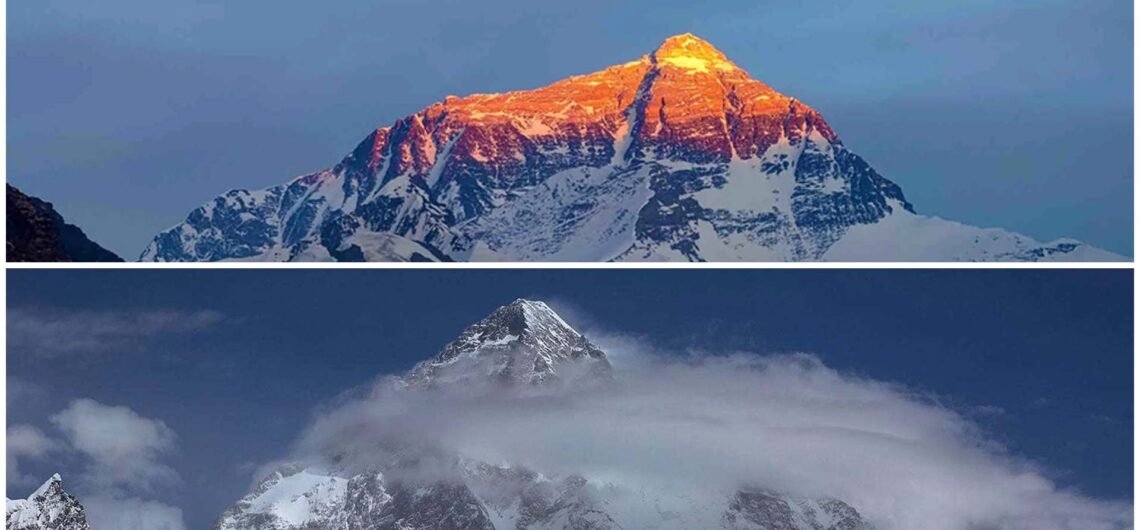
When it comes to high-altitude trekking, two names dominate the global stage: the K2 Base Camp trek in Pakistan and the Everest Base Camp trek in Nepal. These are not just treks—they are bucket-list expeditions that attract adventurers from every corner of the world.
The trek to K2 takes you deep into the untouched wilderness of the Karakoram, while the journey to Mount Everest Base Camp offers a culturally rich and well-developed trekking experience in the Himalayas.
While both reach extreme altitudes and deliver unforgettable views, they differ significantly in difficulty, cost, logistics, and overall experience. Let’s break it down.
Altitude Comparison
- K2 Base Camp: ~5,150 meters
- Everest Base Camp: ~5,364 meters
Everest Base Camp is slightly higher in elevation. However, altitude alone does not determine how challenging a trek will be. Factors like terrain, acclimatization, and remoteness play a much bigger role.
Difficulty Level
K2 Base Camp Trek
- Extremely remote with limited evacuation options
- Longer and more demanding approach
- Requires glacier walking (Baltoro and Godwin-Austin Glaciers)
- Minimal infrastructure and masses
Everest Base Camp Trek
- Well-established trekking routes
- Slow acclimatization with multiple stops
- No technical glacier walking required
- Abundant tea houses and lodges
Verdict: The K2 trek is significantly more physically demanding and requires better endurance, while Everest is challenging but accessible to a wider range of trekkers.
Cost Comparison
- K2 Base Camp Trek: $2,500 – $8,500
- Everest Base Camp Trek: $1,500 – $4,000
Everest is generally cheaper due to Nepal’s tourism infrastructure, competitive pricing, and availability of independent trekking options. K2 costs more because it requires full expedition logistics, guides, and support teams.
Scenery Comparison
K2 Region (Karakoram)
- Towering granite peaks and glaciers
- Vast, untouched wilderness
- Dramatic landscapes with very few people
- Iconic views of K2, Broad Peak, and the Gasherbrum range
Everest Region (Khumbu Valley)
- Traditional Sherpa villages
- Buddhist monasteries and cultural experiences
- Forest trails, suspension bridges, and lively routes
- Frequent interaction with fellow trekkers
Verdict: K2 offers raw, dramatic, and isolated landscapes, while Everest blends natural beauty with rich cultural immersion.
Logistics & Accessibility
K2 Base Camp
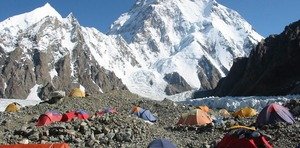
- Reaches via Skardu
- Fully guided expeditions required
- Camping-based trek (no permanent lodges)
- Limited communication and emergency access
Everest Base Camp
- Access via Lukla flight from Kathmandu
- Semi-independent trekking possible
- Well-developed tea house system
- Reliable communication and rescue infrastructure
Verdict: Everest is far easier to organize and more flexible, while K2 requires structured expedition planning.
Crowds & Experience
- K2 Trek: Remote and uncrowded
- Everest Trek: Busy trails, especially in peak seasons
If you prefer solitude and true wilderness, K2 is unmatched. If you enjoy social trekking and meeting travelers, Everest is ideal.
Skill & Experience Required
- K2: Best suited for experienced trekkers with high endurance
- Everest: Suitable for fit beginners with proper preparation
K2 is closer to an expedition-level trek, while Everest is a high-altitude trek with broader accessibility.
Final Verdict
Choosing between the K2 and the Everest Base Camp trek ultimately depends on your travel style, experience, and expectations:
- Choose K2 Base Camp if you want extreme adventure, raw landscapes, and a once-in-a-lifetime expedition into untouched wilderness.
- Choose Everest Base Camp if you prefer a structured, culturally rich trek with better facilities and lower costs.
Both treks are iconic in their own right. One offers isolation and intensity, the other accessibility and culture. Either way, you’re stepping into the highest and most spectacular mountain environments on Earth.