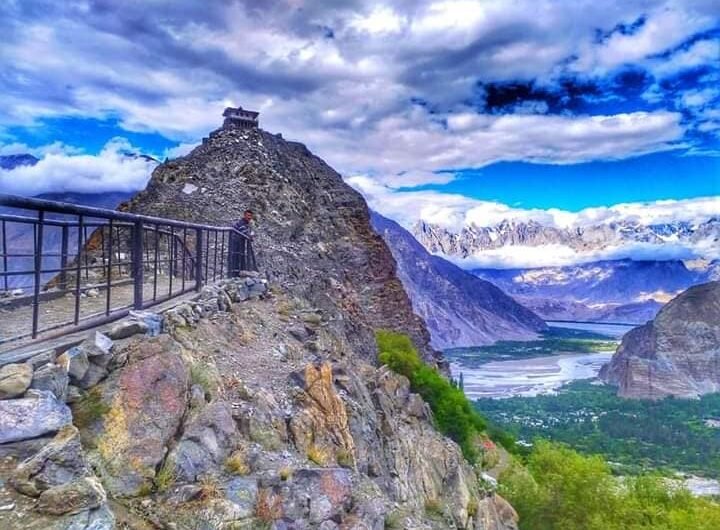
Pakistan has five of the world's fourteen 8,000-meter peaks, old Silk Road valleys, and alpine landscapes that are just as beautiful as the Alps and the Rockies. But most people who come to the country from other countries only see a small part of what it has to offer. We've been running guided treks, expeditions, and cultural tours across the Karakoram, Himalayas, and Hindu Kush for seven years, and we've noticed a pattern: travelers often miss the best places to visit. Why does this happen? How can you avoid it, though? This guide tells you why many tourists miss the hidden places that make Pakistan unique and how serious trekkers from Europe, the US, and Australia can go beyond the obvious. Tourists Follow Outdated Itineraries Instead of Exploring Hidden Places in Pakistan Travel Many travel blogs about going to other countries still recommend the same classic route: Islamabad, Hunza Valley, Skardu, and Fairy Meadows. These places are beautiful. But they are only a small part of the adventure landscape in northern Pakistan. Search trends show that more and more people are interested in lesser-known trekking routes in Pakistan, remote valleys in Gilgit Baltistan, and unique experiences in Pakistan. But most tour companies still use the same itineraries over and over. Instead of going to the most popular viewpoints, experienced trekkers should think about going to Shimshal Valley, a high-altitude Wakhi community near the Pamir corridor; Naltar Valley, which is known for its alpine lakes and forest trails; and Haramosh Valley, which is fed by glaciers and has dramatic granite peaks. These places are real hidden gems in Pakistan that travelers don't often get to see because they aren't well-known. Safety Misconceptions Prevent Deeper Exploration Many people from the West are afraid to travel because they think it's not safe. But
Pakistan has five of the world’s fourteen 8,000-meter peaks, old Silk Road valleys, and alpine landscapes that are just as beautiful as the Alps and the Rockies. But most people