
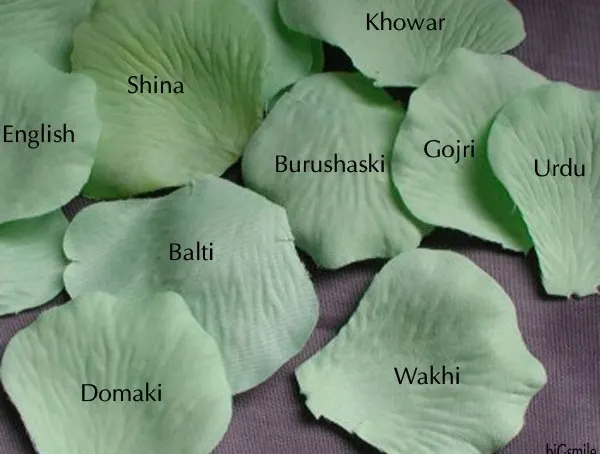
Gilgit-Baltistan, nestled in the towering northern mountains of Pakistan, is not just a destination of dramatic landscapes. It is a living mosaic of languages and cultures. Unlike mainstream travel guides that focus solely on scenery, understanding the indigenous languages of Gilgit-Baltistan gives travelers a deeper connection to local communities and enhances cultural respect throughout their journey.
This guide breaks down the key languages you will encounter, identifies where they are spoken, and shows how learning a few phrases enriches your travel experience. When you understand the region’s linguistic diversity, you move beyond sightseeing and engage in meaningful cultural exchange
1. Shina — The Heartbeat of Gilgit Region
Where you’ll hear it: Gilgit city, Diamir (Chilas), Astore, Puniyal, and Ghizer, along with several villages in Rondu and parts of Skardu where families from Gilgit have settled over time.
Shina stands as the most widely spoken indigenous language across central Gilgit-Baltistan and plays a central role in daily communication, local traditions, and community life. Belonging to the Dardic subgroup of Indo-Aryan languages, it is a major cultural identity marker andi s often spoken in daily conversation, markets, and homes.
2. Balti — Little Tibet in Pakistan
Where you’ll hear it: Skardu, Shigar, Kharmang, Ghanche, and Roundu (Baltistan division).
Balti is a Tibetic language with deep roots. Historically written in Tibetan script, today it is mostly written in Persian-Arabic script. Now, some people are trying to preserve the language by imparting to the younger generation in-depth knowledge of this language, which is on its edge of extinction.
Exploring Skardu Valley, Shigar Fort, Khaplu Valley, or anywhere in baltistan region? You’ll find Balti music, poetry, and everyday speech form an integral part of local life.
Language Insight: However, while people widely use Urdu and English for commerce, tourism, and connectivity, Balti continues to serve as a strong marker of local identity, and travelers learn it best through direct interaction with elders, local guides, and homestay hosts.
3. Burushaski — A Language with No Known Relatives
Where you’ll hear it: Hunza Valley, Nagar, Yasin.
Burushaski is a language isolate not genetically linked to other South Asian languages. Its uniqueness makes it fascinating for cultural travelers with a curiosity for human history and language diversity. It is estimated that there are 90,000 speakers of this language.
Cultural Note: In Hunza, Burushaski’s rhythms resonate in folk songs and storytelling. Engaging a local guide in Burushaski can lead to deeper conversations about heritage and identity.
4. Wakhi — The Voice of the High Valleys
Where you’ll hear it: Upper Hunza (Gojal) and Ishkoman valleys.
With 40,000 speakers globally, Wakhi belongs to the Eastern Iranian (Pamir) language group. It’s less widespread but incredibly rich in oral traditions.
Traveler Tip: A few Wakhi phrases (just the greetings) can bring smiles and warmer interactions with locals.
5. Other Local Tongues
Other indigenous languages of Gilgit-Baltistan include Khowar in the Ghizer district and Domaaki (Dawoodi) among small artisan communities. These languages are lesser-spoken but contribute to the region’s diversity.
Practical Language Tips for Travelers
First, always pair local greetings with a smile; even basic words open doors faster than fluency.
Next, use local phrases when visiting cultural spaces such as Baltit Fort in Hunza, Skardu Fort, and villages throughout the region.
Finally, attend local festivals or fairs to experience languages like Balti and Shina expressed through traditional songs and poetry.
Comments