
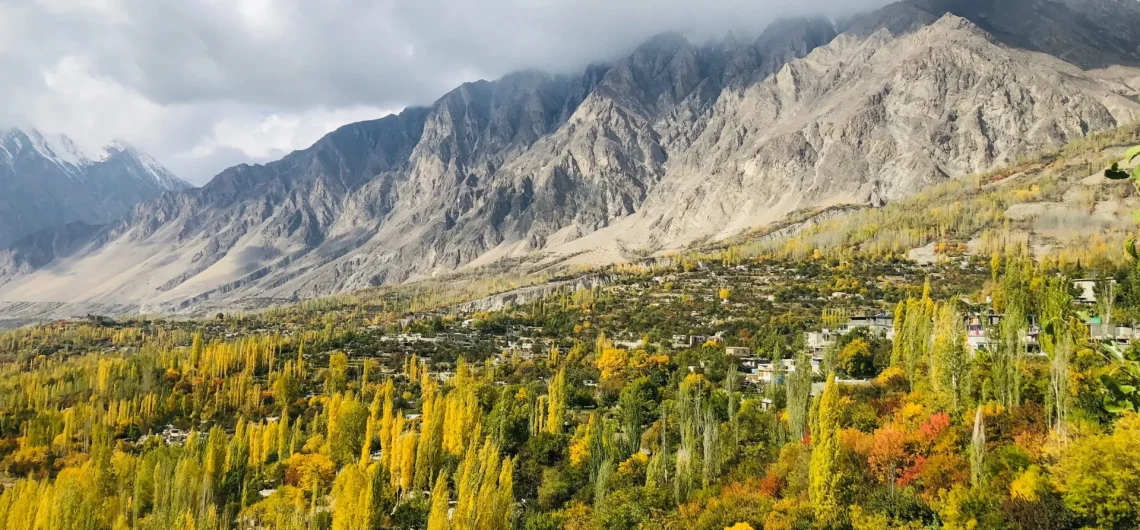
Hunza Valley is more than a postcard destination. Yes, the views are stunning.
However, the real story lies deeper. This Hunza Valley cultural tour reveals ancient forts, living traditions, and a community committed to sustainable travel. As a result, your journey becomes meaningful, not just memorable.
Ancient Hunza: Forts That Guarded the Silk Road
Hunza was once a powerful princely state. Therefore, its forts were built for defense, control, and survival. Today, they stand as symbols of history and resilience.
Altit Fort – The Oldest Sentinel

Altit Fort is over 1,100 years old. In fact, it is the oldest monument in Gilgit-Baltistan.
- Historical Importance:
It was the original seat of the Mirs, the hereditary rulers of Hunza. - Indigenous Architecture:
Built from mud, stone, and timber. Moreover, its earthquake-resistant design reflects deep local knowledge. - Cultural Experience:
Climb the ancient Shikari Tower. Then, walk through Altit village, a living museum of Burusho culture.
As a result, history feels alive, not distant.
Baltit Fort – The Tibetan Crown of Hunza
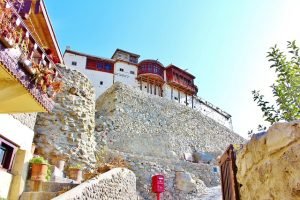
Later, the rulers moved to Baltit Fort. Consequently, it became the royal residence for centuries.
- Architectural Influence:
The structure shows a strong Tibetan design. This came from a royal marriage with Baltistan, which brought skilled artisans to Hunza. - Preserved Heritage:
Restored by the Aga Khan Trust for Culture. Today, it is a UNESCO-recognized heritage site. - Guided Storytelling:
Local guides explain the Great Game era, royal life, and Hunza’s political history with clarity and depth.
Therefore, each room tells a story.
Sustainable Tourism in Hunza Valley
Hunza is known for longevity and balance. Similarly, its approach to tourism is thoughtful and responsible.
- Clean Hunza Initiative
The valley actively protects its environment. For example, waste management and recycling programs reduce damage to this fragile ecosystem.
- . Supporting the Local Economy
We partner only with community-run guesthouses and local guides. Thus, your travel spending directly benefits Hunza families, not mass-tourism operators.
- . Supporting the Local Economy
Hunza’s orchards are legendary. Meanwhile, traditional organic meals offer authentic flavor and nutrition. Food here is both cultural and sustainable.
Must-See Highlights of Hunza Valley
Every Hunza Valley heritage tour includes these iconic moments. However, timing makes all the difference.
- Sunrise at Eagle’s Nest (Duiker)
First, reach the highest village viewpoint. Then, watch Rakaposhi and Lady Finger Peak glow at sunrise. It is the best photo opportunity in Hunza.
- Attabad Lake
Created by a 2010 landslide, Attabad Lake is unreal in color. Although stunning, recent landslides now threaten its beauty, making responsible travel even more important.
- The Passu Cones
Drive north on the Karakoram Highway. Soon, the sharp peaks of Passu rise dramatically. They are unique, raw, and unforgettable.
A Seamless Hunza Valley Cultural Journey
Your experience is carefully planned. Therefore, nothing feels rushed or crowded.
- Private Transport:
Travel safely on the Karakoram Highway with an experienced local driver. - Expert Local Guides:
Our guides are historians and storytellers, not just escorts. - Smart Scheduling:
Visits are timed to avoid crowds. As a result, you enjoy quiet, meaningful exploration.
Why Choose a Hunza Valley Cultural Tour?
Because Hunza deserves more than a quick stop.
Because culture matters as much as scenery.
And because responsible travel protects what we love to explore.
Comments