
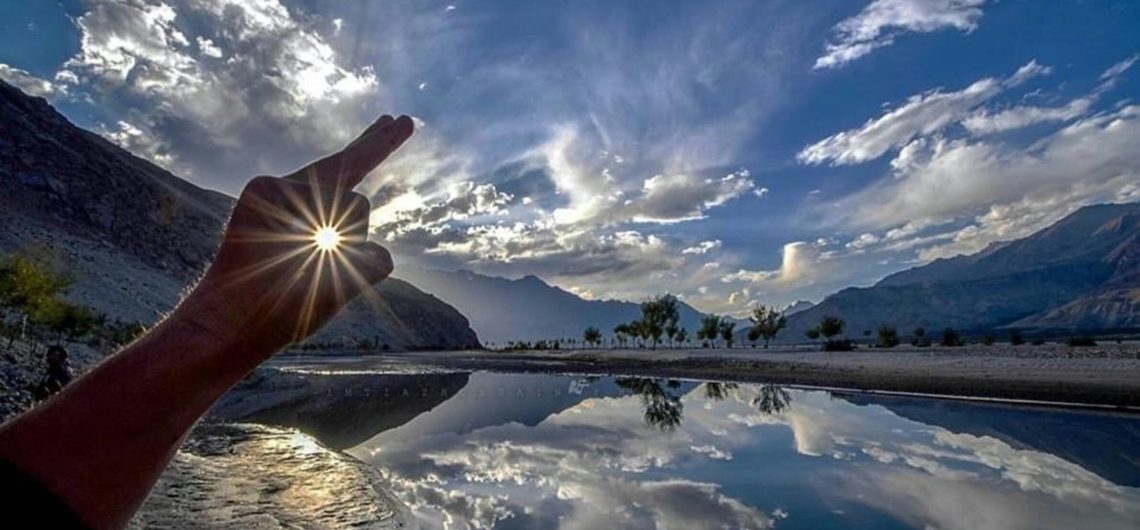
In the global quest for the last great adventure, few places rival Gilgit-Baltistan adventure tourism. Located at the crossroads of the Karakoram, Himalaya, and Hindukush ranges, Gilgit-Baltistan is an experience defined by peaks, cultures, and natural beauty.
From the world’s highest battlefields of ice to timeless Silk Route valleys, GB has rapidly emerged as Pakistan’s premier adventure tourism hub, attracting trekkers, climbers, photographers, and travelers from across the globe.
Why Gilgit-Baltistan Is the Heart of Adventure Tourism in Pakistan
Gilgit-Baltistan holds an unmatched geological distinction. It is home to five of the world’s fourteen 8,000-meter peaks, and contains the longest non-polar glaciers on Earth. This makes adventure tourism in Gilgit-Baltistan truly unparalleled.
K2 Base Camp Trek: Pakistan’s Ultimate Trekking Route
The legendary K2 Base Camp Trek is the crown jewel of trekking in Pakistan. Following the iconic Baltoro Glacier, trekkers reach Concordia, often called the “Throne Room of the Mountains”.
Rakaposhi Base Camp Trek
Ideal for travelers seeking a shorter yet rewarding adventure. This trek begins in Minapin, Nagar Valley, offering close-up views of Rakaposhi (7,788m) in just 2–3 days.
Fairy Meadows – Gateway to Nanga Parbat
Nestled beneath Nanga Parbat, Fairy Meadows is a dream destination for camping, photography, and beginner-level high-altitude trekking. Its offering one of the most iconic mountain panoramas in the world.
Karakoram Highway (KKH)
Often called the Eighth Wonder of the World, the Karakoram Highway. It connects Pakistan with China, tracing the ancient Silk Route past deep gorges, glaciers, and historic Buddhist rock carvings.
Skardu Baltistan: Lakes, Deserts, and Royal Forts
The Skardu-Baltistan region blends dramatic landscapes with centuries-old Balti culture, making it a cornerstone of Gilgit-Baltistan adventure tourism.
Deosai National Park
Known as the Land of Giants, Deosai is the world’s second-highest plateau. Its vast alpine plains, Sheosar Lake, and Himalayan Brown Bears make it a paradise for nature lovers.
Shigar & Khaplu Forts
The beautifully restored Shigar Fort (Fong-Khar) and Khaplu Palace (Yabgo Khar) reflect Baltistan’s royal past. Now heritage hotels, they offer authentic cultural immersion.
Cold Desert of Skardu
The Katpana and Sarfaranga Cold Deserts present a rare natural phenomenon. Golden sand dunes surrounded by snow-covered peaks—unique to Gilgit-Baltistan.
Kachura Lakes (Shangrila)
From the iconic Lower Kachura Lake to the serene Upper Kachura Lake, these crystal-clear waters are ideal for boating, fishing, and relaxation.
Hunza Valley & Nagar: Cultural Highlights of Gilgit-Baltistan
Ancient Forts of Hunza
The historic Altit Fort and Baltit Fort overlook Karimabad, telling stories of ancient Silk Route kingdoms and showcasing Tibetan-influenced architecture.
Khunjerab Pass
At 4,693 meters, Khunjerab Pass is the world’s highest paved international border crossing. Its offering breathtaking views and wildlife sightings such as Marco Polo sheep.
Naltar Valley
Famous for its colorful alpine lakes and Pakistan’s oldest ski resort. Naltar Valley is a year-round destination for nature and adventure enthusiasts.Gilgit City & Historic Landmarks
- Kargah Buddha: A 7th-century rock carving reflecting the region’s Buddhist heritage
- Ganish Village (UNESCO): One of the oldest settlements in Hunza, showcasing preserved ancient architecture
Sustainable Tourism in Gilgit-Baltistan
As Gilgit-Baltistan adventure tourism continues to grow, responsible travel is essential.
- Support Local Communities: Hire local guides, stay in community-run guesthouses, and purchase local handicrafts.
- Protect the Environment: Choose eco-conscious tours that follow zero-waste and glacier-protection practices.
Sustainable tourism ensures that Gilgit-Baltistan’s natural wonders and cultural heritage remain preserved for future generations.
Why Gilgit-Baltistan Should Be Your Next Adventure
Gilgit-Baltistan is where extreme adventure meets unmatched hospitality. From the world’s highest peaks to the warm traditions of its people. This region offers an experience that redefines travel itself.
If you are seeking authentic, high-impact adventure tourism in Pakistan. Gilgit-Baltistan is not just a choice—it is the ultimate destination.
In the global search for the ‘last great adventure,’ one region stands alone: Gilgit-Baltistan (GB). This is not just a destination; it is the breathtaking confluence of the Karakoram, Himalaya, and Hindukush mountain ranges. GB has rapidly emerged as the epicenter of world tourism. Because it perfectly satisfies the modern traveler’s thirst for high-stakes adventure, profound cultural immersion, and mindful, sustainable impact.
The Adventure Nexus: A Symphony of Peaks and Trails
GB holds a geological trump card. It is home to 5 of the world’s 14 8000 and have the longest non-polar glaciers on Earth. This unparalleled geology offers experiences that defy comparison.
- The K2 Base Camp Trek: The ultimate mountain pilgrimage. Walk the legendary Baltoro Glacier to Concordia. The “Throne Room” of the mountains, witnessing K2, Broad Peak, and the magnificent Trango Towers.
- Rakaposhi Base Camp Trek: An accessible yet rewarding challenge. Begin from Minapin in the Nagar Valley for a 2-3 day trek to the base of the mighty Rakaposhi (7,788m). Enjoying views across the Nagar Valley.
- Fairy Meadows: An emerald paradise at the foot of Nanga Parbat (The Killer Mountain). Perfect for camping and introductory high-altitude trekking, offering one of the most stunning mountain views globally.
- The Karakoram Highway (KKH): Dubbed the “Eighth Wonder of the World,” this ancient Silk Route artery offers the ultimate road trip, winding past monumental gorges and ancient Buddhist rock carvings near Chilas.
Lakes, Deserts, and Forts: The Skardu-Baltistan Circuit
The Skardu region (Baltistan) is a land of dramatic contrast, blending glacial lakes and high-altitude deserts with rich cultural heritage.
- Deosai National Park: Traverse the second-highest plateau in the world (average altitude 4,114m). Known to locals as the “Land of Giants,” it’s a vast wilderness home to the Himalayan Brown Bear and the pristine Sheosar Lake.
- Shigar, Khaplu and Skardu Forts (Palaces): Step back in time at the regal Shigar Fort (Fong-Khar) and Khaplu Palace(Yabgo Khar). These beautifully preserved architectural marvels, once residences of local Rajas (rulers), offer a glimpse into the sophisticated Balti heritage and have been converted into heritage hotels.
- The Cold Desert (Katpana & Sarfaranga): Witness a geographical anomaly: rolling sand dunes set against the backdrop of snow-capped peaks. Experience desert safaris at this unique high-altitude cold desert, a landscape found nowhere else.
- Kachura Lakes (Shangrila): Visit the tranquil Lower Kachura Lake, home to the famous Shangrila Resort, or seek out the more serene Upper Kachura Lake for boating and fishing surrounded by thick pine forests.
The Soul of the Valleys: Culture, History, and Hospitality
The true treasure of North Pakistan lies in the resilience and warmth of its diverse communities. Your journey through GB is a lesson in generosity (Riwaj).
Hunza & Nagar: The Jewel of the North
- Ancient Forts: The medieval Altit Fort (900 years old) and Baltit Fort stand proudly above Karimabad. Explore their unique, Tibetan-influenced architecture and learn about the princely states that once controlled the Silk Route trade.
- Khunjerab Pass: Travel to the highest paved international border crossing in the world (4,693m), where the KKH enters China. It’s a spectacular journey through the Khunjerab National Park, often spotting the rare Marco Polo Sheep.
- Naltar Valley: A short drive from Gilgit, this valley is known for its lush alpine forests, vibrant glacial lakes (like Satrangi Lake), and its popular winter skiing resort (the oldest in Pakistan).
Gilgit City & Cultural Hubs
- Kargah Buddha: Visit this piece of history near Gilgit City—a large, ancient rock carving of a standing Buddha 7th century AD, showcasing the region’s Buddhist past along the Silk Route.
- Ganish Village: Recognized by UNESCO, this settlement in Hunza is one of Pakistan’s oldest and first-ever tourist sites, known for its perfectly preserved ancient structures.
Sustainable Tourism: A Commitment to Preservation
As tourism flourishes in GB, responsible travel is not just a choice—it’s a necessity.
- Local Empowerment: By choosing local guides, staying in community-owned guest houses, and purchasing local handicrafts, you ensure that tourism directly benefits the families who act as guardians of these environments.
- Environmental Stewardship: Support tours committed to zero-waste principles in mountain regions, especially on high-altitude treks, to preserve the purity of the glaciers and alpine lakes.
Gilgit-Baltistan is the ultimate frontier. It is where you find the world’s most dramatic landscapes intertwined with a culture of unparalleled kindness. Pack your bags, and prepare for a journey that will redefine your idea of adventure.
Of the many wonders in Gilgit-Baltistan—the ancient forts, the cold deserts, or the hidden alpine lakes—which one calls your name loudest?
Comments