
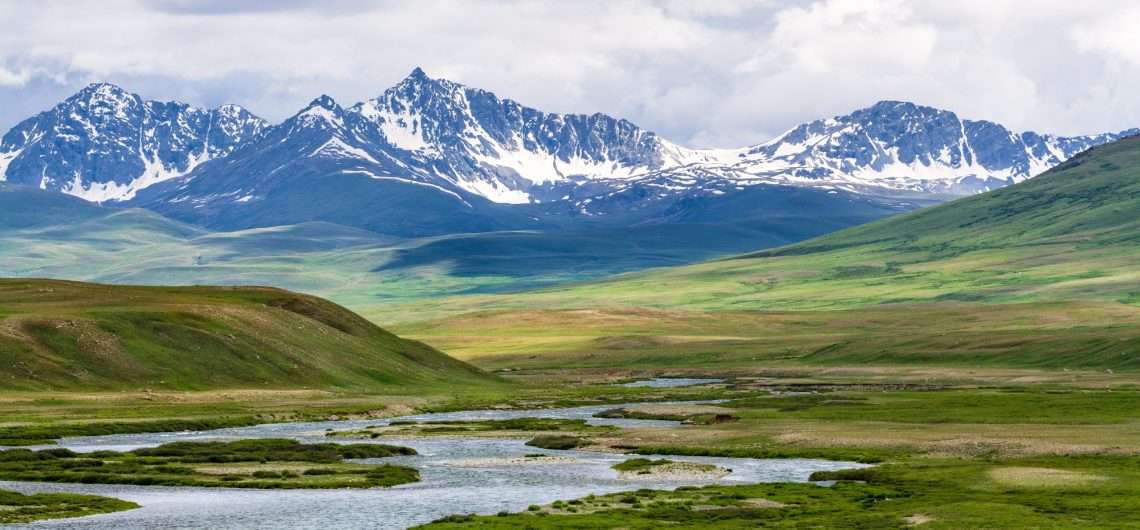
While visiting the altitude of 4,000 meters (13,000 feet), Deosai Plains, it is always a concern to keep Altitude sickness for Deosai Plains in account. At such heights oxygen level
Beat Altitude Sickness on K2 Treks with These 7 Simple Steps
- blog
- Things to Do in Machulo Skardu Baltistan, Trekking, Trekking in Pakistan, Trekking Tips & Tricks
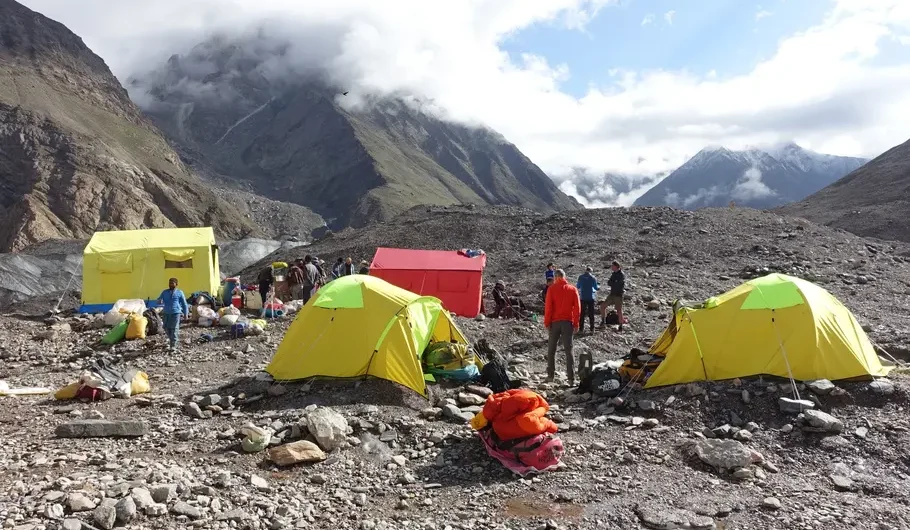
Never take the K2 Base Camp trek as just a hike; rather, it is a journey that leads you to the Karakoram Mountains, where altitude becomes the major challenge. Beating
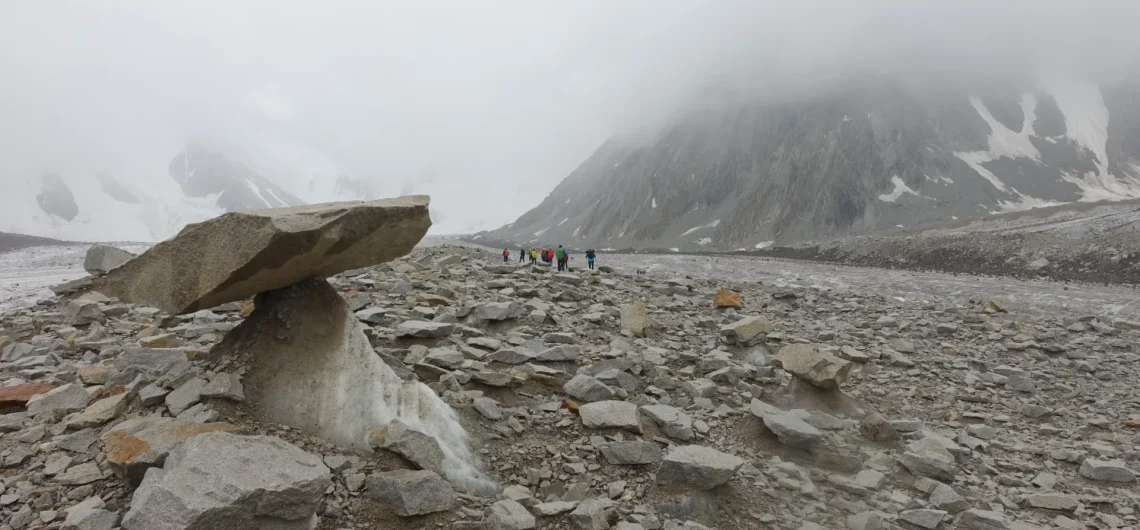
Trekking to the K2 Base Camp in Pakistan through the Baltoro Glacier is one of the most rewarding high‑altitude treks in Pakistan. But smart K2 Base Camp packing makes the

The majestic Mountains in different areas of Gilgit Baltistan, Pakistan, such as Hunza Valley, Skardu, and Fairy Meadows. All these regions offer breathtaking scenery. Keeping in mind the fragile ecosystem,
Gilgit-Baltistan, nestled in the towering northern mountains of Pakistan, is not just a destination of dramatic landscapes. It is a living mosaic of languages and cultures. Unlike mainstream travel guides

Pakistan trekking routes remain one of thegreat frontiers. However, Nepal dominates global trekking headlines. Pakistan offers something increasingly rare. Vast solitude, untamed landscapes, and deeply authentic mountain cultures. The Karakoram,

Northern Pakistan travel trends shows that Travelers from Lanzhou (China), Singapore, and Karachi (Pakistan) are increasingly exploring northern Pakistan for its breathtaking landscapes, rich culture, and adventure opportunities. Our audience

Gilgit-Baltistan is famous for Hunza and Skardu. Beyond regular routes lie underrated destinations in Gilgit-Baltistan where landscapes remain raw, communities are welcoming, and mass tourism is negligible. There are plenty
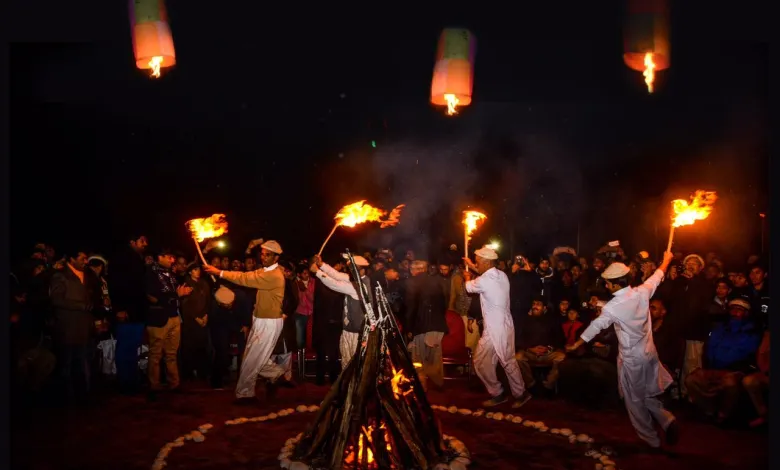
The true soul of any region lives in its culture and local festivals. In fact, the traditional festivals of Northern Pakistan offer an experience of culture that goes far beyond
Eco Travel Tips for Pakistan’s Mountain Regions
- blog
- K2 views from Machulo La, Top Tourist Attractions, Top Tourist Attractions in Khaplu, Trekking Tips & Tricks

Pakistan’s mountain region, the Karakoram valleys, offers raw beauty that remains largely untouched. In Pakistan’s northern regions, eco travel tips for mountains are not just a trend—they are essential for