

Introduction
K2 is widely considered one of the most dangerous mountains in the world due to its extreme and unpredictable weather conditions. Unlike many other 8,000-meter peaks, K2 does not offer extended periods of stable conditions. Climbers, on the other hand, face a volatile environment in which weather systems frequently change rapidly and without warning. The intensity and unpredictability of the mountain’s climate, in addition to the technical difficulty of the mountain, make it difficult for even the most experienced climbers to succeed here.
The combination of extreme altitude, exposure, and its position in the Karakoram range creates a unique weather system. Temperatures can drop dramatically, storms can form quickly, and strong winds can make even simple movement risky. Understanding the weather in K2 is not optional for expedition planners; it is essential for survival and success.
Weather Challenges on K2
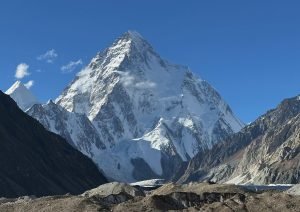
1. Extreme Cold
Temperatures can drop below -40°C at higher camps.
Cold also impacts equipment performance. Oxygen systems, batteries, and climbing gear can malfunction or fail in such conditions, adding another layer of risk for climbers operating at high altitude.
2. Sudden Storms
The weather can change within minutes, making forecasting difficult. K2 is infamous for its rapidly changing weather. Heavy cloud cover, snow, and violent storms can quickly replace clear skies. These sudden changes make accurate forecasting extremely difficult, even with modern meteorological tools.
3. High Wind Speeds
Strong winds are one of the biggest risks during summit attempts. Wind is arguably the most critical factor in K2 weather conditions. The mountain is exposed to powerful jet stream winds that frequently sweep across its upper slopes. Wind speeds can exceed 100 km/h, particularly near the summit ridge.
Best Climbing Season
- June–August → only viable expedition window
- Outside this period → extremely high risk
Conclusion
Successful expeditions depend heavily on precise timing, constant weather monitoring, and the ability to adapt quickly to changing conditions. There are no assurances even then. Climbers must be prepared for delays, retreats, and the possibility that summit attempts may not be feasible at all.
Understanding and respecting the weather in K2 is ultimately crucial. It is not just a factor in expedition planning—it is the defining challenge of the mountain itself.