
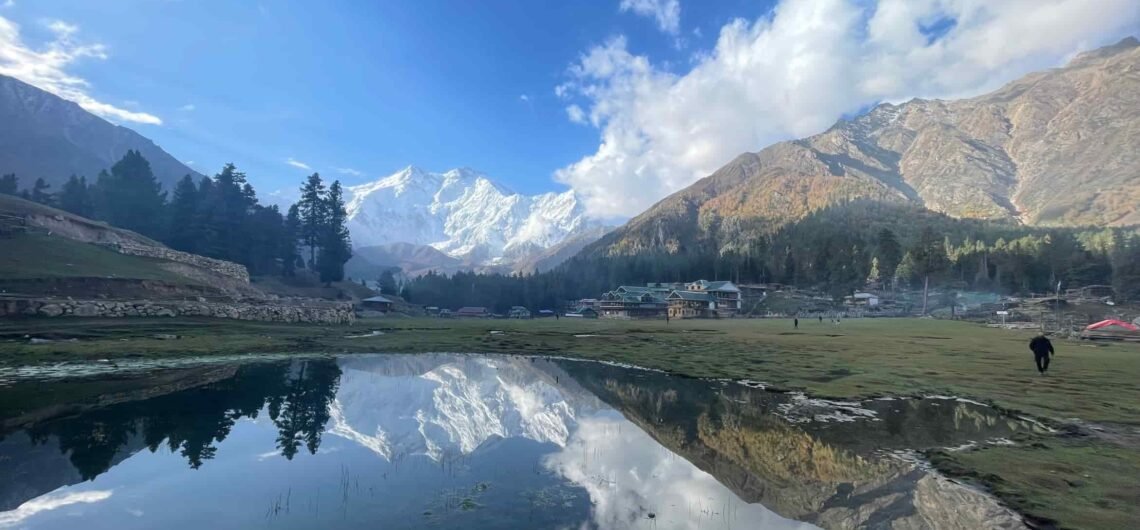
Pakistan is one of the most misunderstood travel destinations in the world. Yet, in recent years, adventure travelers from around the world have started discovering its unmatched alpine landscapes, ancient cultures, and world-class trekking routes.
Is Pakistan Safe for Tourists?
The most-searched and misunderstood question among the 6 Common Myths About Traveling in Pakistan is:
Is Pakistan safe for tourists?
The short answer: Yes — especially in major trekking and tourism regions.
Tourism-focused regions like Hunza Valley, Skardu, and Fairy Meadows are considered safe and are heavily supported by local authorities and community-based tourism networks.
In fact:
- Pakistan has hosted thousands of foreign trekkers annually.
- International mountaineering teams operate regularly on the 8611m K2 and Nanga Parbat.
- Security for foreigners in trekking regions is structured and coordinated.
Myth-1: Not Suitable for Family or Cultural Tours
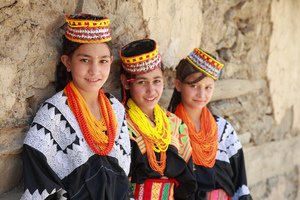
Pakistan offers:
- Heritage tours in Lahore
- Sufi shrine visits
- Mughal architecture explorations
- Desert safaris
- Spring blossom tours in Hunza
Families frequently travel to:
- Hunza Valley for scenic leisure trips
- Skardu for lakes and short hikes
- Swat Valley for alpine relaxation
- Chitral valley
Myth-2: Trekking in Pakistan Is Too Dangerous
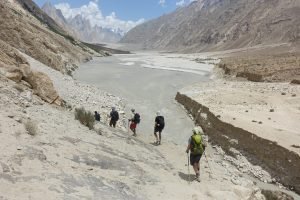
Pakistan is home to five of the world’s fourteen 8,000m peaks. Naturally, the country is associated with extreme mountaineering.
However, not all treks are technical or dangerous.
For example:
- The Baltoro Glacier trek to K2 Base Camp is challenging but non-technical.
- The Rakaposhi Base Camp trek is moderate and beginner-friendly.
- The Fairy Meadows trek is short and accessible.
Professional Pakistan trekking tours include:
- Licensed mountain guides
- Certified high-altitude porters
- Satellite communication systems
- Structured acclimatization schedules
Furthermore, global climbers consistently rank the Karakoram among the most spectacular mountain ranges in the world.
Reality: Trekking in Pakistan ranges from easy scenic hikes to elite alpine expeditions. Proper planning eliminates most risks.
Myth-3: Pakistan Lacks Tourism Infrastructure
This myth is partially true. It is not accurate in the long run.
Tourism in Pakistan has modernized significantly:
- Boutique hotels in Hunza
- 4-star accommodations in Skardu
- Domestic flights linking Islamabad and Gilgit
- Paved access roads to major valleys
Myth-4: It Is Difficult for Westerners to Get a Visa
Pakistan now offers a streamlined e-visa system for many countries, including the UK, USA, Australia, and most EU nations.
Processing times are typically straightforward when documents are properly submitted.
Professional tour operators also provide:
- Invitation letters
- Permit facilitation
- Trekking authorization support
Reality: Visa procedures are transparent and significantly easier than a decade ago.
Myth-5: Pakistan Is Culturally Unwelcoming to Foreigners
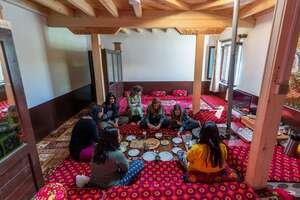
If there is one universal truth about Pakistan, it is this: hospitality is deeply embedded in the culture.
Visitors consistently report:
- Invitations to local homes
- Free tea stops during road journeys
- Community support in remote valleys
Myth-6: There Is Nothing Unique Compared to Nepal
Many Western trekkers compare Pakistan to Nepal. However, the Karakoram offers a distinctly different alpine experience:
- Dramatic vertical granite walls
- Fewer crowds
- Untouched glaciers
- Authentic expedition atmosphere
Why International Trekkers Are Choosing Pakistan
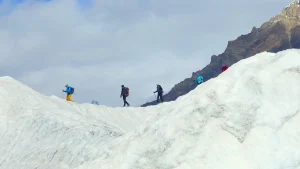
Adventure travelers from Europe, the USA, and Australia are increasingly selecting Pakistan because:
- Routes are less crowded
- Costs are competitive
- Landscapes are unmatched
- Cultural immersion is authentic
Responsible Travel and Sustainable Expeditions
As a trekking agency operating for seven years in Pakistan’s high-altitude regions, we emphasize:
- Leave No Trace principles
- Fair porter wages
- Glacier cleanup initiatives
- Ethical wildlife practices
Sustainable tourism is not optional. It is essential for preserving the Karakoram ecosystem.
Final Thoughts: Rethinking Travel in Pakistan
Common myths about traveling in Pakistan are largely based on outdated information.
Today, Pakistan stands as:
- A premier trekking destination
- A culturally rich travel experience
- A secure and structured adventure hub
The key is responsible planning with experienced local operators who understand terrain, weather systems, logistics, and cultural dynamics. If you are considering trekking in Pakistan, do not let myths guide your decision. Let verified information and professional expertise shape your journey instead.
Comments