

Winter skiing in Pakistan offers what crowded resorts no longer can, if you are looking for a ski destination that still feels wild, exclusive, and untouched.
Whether you want a comfortable resort-based ski holiday or a serious powder mission in remote terrain, our guided ski tours in Pakistan are designed for skiers and snowboarders who want something truly different.
👉No mass tourism.
👉 Skiing before the crowds arrived.
Why Ski in Pakistan With Us?
We don’t just sell trips — we design ski experiences around snow conditions, skill level, and comfort.
When you book with us, you get:
- Carefully selected ski destinations (no guesswork)
- Local mountain expertise and logistics support
- Trusted accommodation partners
- Reliable transport, guides, and safety planning
- Flexible itineraries tailored to your ability and goals
👉 You ski. We handle everything else.
Choose Your Ski Experience in Pakistan
Malam Jabba Ski Resort: Winter Skiing in Pakistan
Comfort, Accessibility & Easy Fun
Located in Swat Valley, Malam Jabba ski resort is Pakistan’s most accessible winter ski destination — ideal for first-time visitors, families, and mixed-ability groups.
Why Book Malam Jabba With Us?
- Smooth, confidence-building slopes for beginners & intermediates
- Modern 1.5 km chairlift — no hiking required
- Ski-in, ski-out stays at premium hotels
- Snow tubing, ziplining & scenic viewpoints
- Just 4.5 hours by road from Islamabad
👉 Best for: Relaxed ski holidays, first-time skiers, couples & groups
👉 Trip Style: Comfortable, scenic, low-effort skiing
Naltar Valley Winter Skiing in Pakistan
Deep Powder & True Karakoram Adventure
For skiers chasing untouched snow and challenging terrain, Naltar Valley skiing, as a result, stands out as one of Asia’s most rewarding ski experiences.
Set high in Gilgit-Baltistan, the valley is where Pakistan’s national ski team trains and, therefore, where serious skiers come to earn their turns.
Why Book Naltar Valley With Us?
- Steeper slopes and varied terrain for intermediates & experts
- Consistently dry, deep powder due to elevation & microclimate
- Off-piste skiing through pine forests
- Zero crowds thanks to controlled access
- Authentic mountain lodges and warm local hospitality
Access includes a 4×4 jeep transfer from Gilgit, arranged and managed by our team.
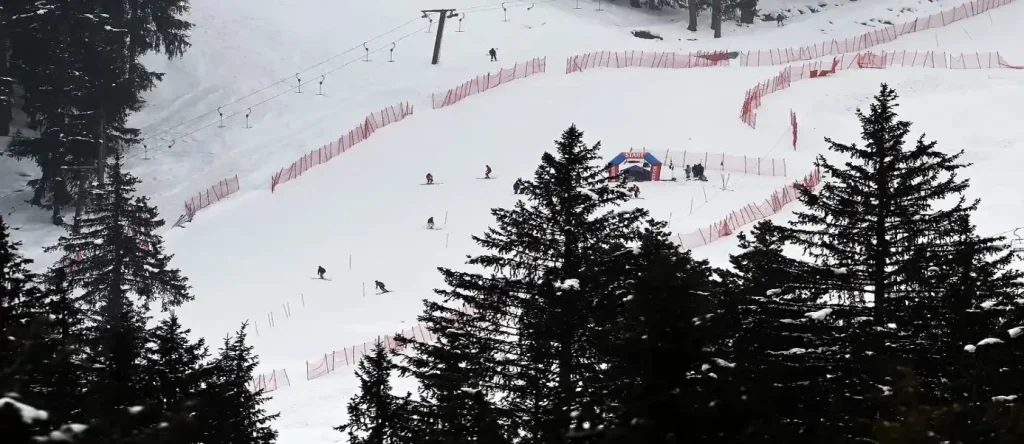
👉 Best for: Powder seekers, advanced skiers, adventure travelers
👉 Trip Style: Remote, raw, unforgettable
Skiing in Deosai in Winter: The Roof of the World Covered in Snow
Skiing in Deosai in winter is not about resorts, chairlifts, or groomed runs. Instead, it is about raw wilderness, vast open terrain, and the rare feeling of being completely alone on snow-covered highlands. Known as the “Roof of the World,” Deosai transforms into a surreal white desert during winter, offering a unique experience for adventurous and experienced skiers.
Located at an average altitude of over 4,100 meters, Deosai is one of the highest plateaus on Earth. In winter, heavy snowfall blankets its rolling plains, frozen streams, and distant peaks, creating natural slopes ideal for backcountry and expedition-style skiing rather than traditional resort skiing.
Unlike Malam Jabba or Naltar Valley, skiing in Deosai is not lift-accessed. Instead, it appeals to skiers who value exploration, self-powered turns, and untouched snow. As a result, it is best suited for advanced skiers, ski tourers, and expedition-minded adventurers who are comfortable with extreme weather, high altitude, and remote conditions.
The Plain as Raw Beauty
One of Deosai’s greatest strengths is its wide-open terrain. The plateau’s gentle rolling slopes allow for long, flowing descents, while surrounding ridgelines and valleys offer more technical lines for those seeking a challenge. Because the area sees virtually no winter visitors, skiers can often enjoy completely untracked snow, sometimes stretching for kilometers.
However, skiing in Deosai during winter requires serious planning and expertise. Temperatures regularly drop well below freezing, weather can change rapidly, and access is extremely limited. For this reason, trips must be carefully timed and supported by experienced local guides, proper safety equipment, and detailed logistics planning.
Despite these challenges, the reward is unmatched. Skiing across Deosai’s silent, snowbound landscape feels less like a holiday and more like an expedition. The vastness, isolation, and dramatic winter light create an experience that few ski destinations in the world can rival.
In short, Deosai winter skiing is not for everyone. However, for skiers seeking a once-in-a-lifetime adventure far from crowds and civilization, it represents one of Pakistan’s most extraordinary and untapped winter experiences.
Location & Distance from Skardu
Deosai National Park lies approximately 30–35 km from Skardu (straight-line distance). However, due to mountainous terrain, the actual road distance is longer and more time-intensive.
- Base city: Skardu
- Region: Gilgit-Baltistan, Pakistan
- Plateau elevation: ~4,100–4,300 meters (13,500–14,100 ft)
Access to Deosai in Winter
Access to Deosai in winter is limited and expedition-style.
- Primary access: Skardu → Deosai via Deosai Road
- Road status:
- Open in summer
- Closed or partially accessible in winter due to heavy snowfall
- Winter access method:
- 4×4 vehicles as far as conditions allow
- Final sections often reached on skis or on foot
👉 Because of this, winter skiing trips require flexible itineraries and weather-based planning.
Duration of a Winter Skiing in Pakistan
A winter ski expedition to Deosai typically requires:
- Minimum duration: 5–7 days
- Recommended duration: 8–10 days (including acclimatization)
Typical breakdown:
- Day 1–2: Arrival & acclimatization in Skardu
- Day 3–4: Approach to Deosai (road + ski approach)
- Day 5–7: Ski touring & exploration
- Remaining days: Weather buffer & return
Camping & Accommodation Options
There are no permanent lodges or hotels in Deosai during winter.
Camping is the only option:
- High-altitude winter tents
- Snow camps set up on sheltered sections of the plateau
- All food, fuel, and equipment must be carried or transported
👉 Camps are typically fully supported and guided.
Guide & Support (Highly Recommended)
Skiing in Deosai during winter should never be attempted without experienced support.
Recommended support includes:
- Certified local mountain or ski guides
- High-altitude porters or support staff (depending on trip style)
- Satellite communication devices
- Emergency evacuation planning
👉 Guided trips significantly reduce risk and increase safety.
Permit & Entry Requirements
Deosai is a protected national park.
Permit requirements:
- Domestic travelers: National Park entry permit
- Foreign travelers:
- Passport copy
- Entry permit arranged in advance
- Sometimes a No Objection Certificate (NOC), depending on nationality
👉 Permits are usually arranged through a licensed tour operator.
Safety Measures in Winter
Winter skiing in Deosai involves serious alpine risks.
Essential safety considerations:
- Extreme cold exposure
- Sudden weather changes
- High altitude sickness
- Whiteout conditions
- Limited rescue access
Mandatory safety measures include:
- Avalanche awareness & basic training
- GPS navigation and mapping
- Emergency shelter and backup days
- Constant weather monitoring
Temperature & Weather Conditions
Winter conditions in Deosai are extreme.
- Daytime temperatures: −10°C to −20°C
- Night temperatures: −25°C to −35°C or lower
- Wind chill: Can feel significantly colder
- Snowfall: Heavy and frequent
👉 Proper layering and cold-weather gear are critical.
Altitude & Acclimatization
- Average altitude: ~4,100 meters
- Highest skiable areas: ~4,300+ meters
Acclimatization is essential:
- Spend at least 2–3 nights in Skardu before ascending
- Gradual ascent recommended
- Hydration and slow pacing are critical
Essential Packing List (Top 5 Must-Haves)
For winter skiing in Deosai, these five items are non-negotiable:
- High-altitude winter ski boots (rated for extreme cold)
- Four-season expedition tent
- Down sleeping bag (−30°C rated)
- Avalanche safety kit (beacon, probe, shovel)
- Layered insulation system (base layers, down jacket, shell)
👉 A full expedition packing list should be shared before departure.
Who Is Deosai Winter Skiing For?
✔ Advanced skiers & ski tourers
✔ Expedition and wilderness travelers
✔ Those comfortable with cold, altitude, and isolation
❌ Not suitable for beginners or resort-style skiing
Final Note
Skiing in Deosai during winter is not a casual ski trip — it is a true high-altitude expedition. However, for those prepared to face its challenges, Deosai offers one of the most unique and untouched ski environments in the world.
When Is the Best Time to Ski in Pakistan?
Ski Season: Mid-December to early March
Best Snow: January & February
Our team monitors snow conditions and recommends the best destination based on your travel dates.
Equipment & Preparation for Winter Skiing in Pakistan
- Ski and snowboard rentals available locally
- For advanced skiers: we recommend bringing personal boots
- Powder skis or boards strongly advised for Naltar & heli-skiing
👉 We’ll send you a complete gear checklist after booking.
Who Are These Trips For?
✔ Skiers & snowboarders tired of crowded resorts
✔ Adventurers looking for new ski destinations
✔ Photographers & filmmakers chasing dramatic landscapes
✔ Couples & groups wanting a unique winter escape
✔ Serious skiers seeking powder and progression
❌ Not suitable for party tourism or mass-market travel
Safety, Guides & Local Expertise for Winter Skiing in Pakistan
Your safety matters.
- Local mountain guides familiar with terrain & conditions
- Pre-planned logistics and emergency protocols
- Trusted drivers, vehicles & accommodation partners
- Honest trip matching — we won’t oversell difficulty levels
👉 We design trips responsibly, not recklessly.
Book Your Winter Ski Tour in Pakistan
This is your chance to ski a destination most people only read about.
Next steps:
- Tell us your ski level & travel dates
- We recommend the best destination & itinerary
- You receive a custom quote
- Confirm & ski the Karakoram
Comments