Hiring Porters in Baltistan: Cost & Ethics (2026 Guide for Trekkers)
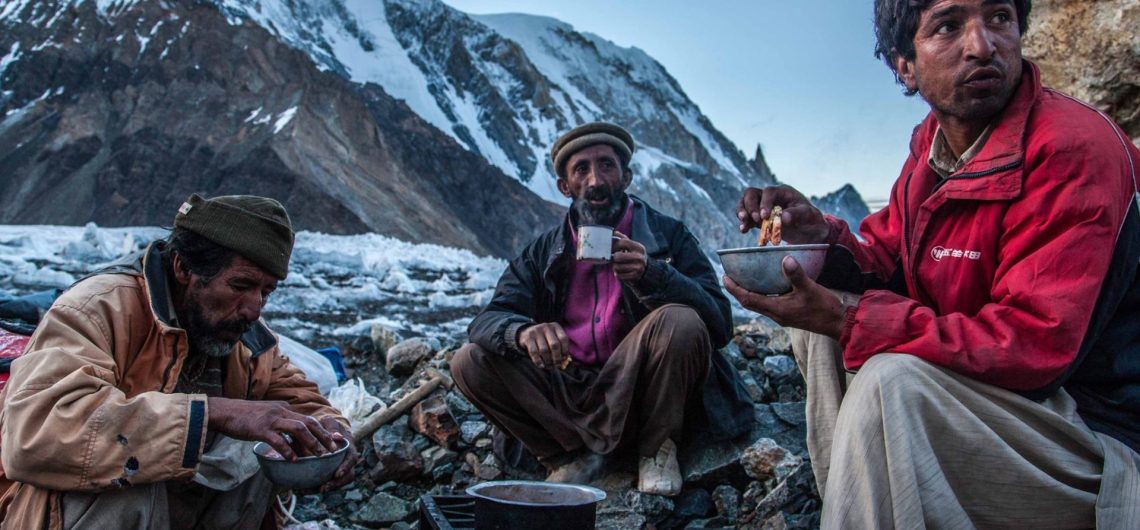
Local mountain guide supporting responsible tourism in Gilgit Baltistan

Planning a trek in Northern Pakistan? Then, understanding the hiring of porters in Baltistan is essential. For climbers heading to Baltistan, ethical porter hiring is not just logistics; it defines your expedition’s impact.

As a Pakistan-based trekking operator with seven years of on-ground experience, we’ve supported expeditions to K2, Broad Peak, Gasherbrum I and the legendary Concordia. This guide explains porter costs in Baltistan, fair wages, tipping standards, insurance policies, and ethical trekking practices for visitors from around the world.

Why Hiring Porters in Baltistan Matters

High-altitude trekking in the Karakoram demands physical endurance and logistical precision. Porters are the backbone of every expedition.

They carry:

  • Food supplies

  • Camping equipment

  • Climbing gear

  • Personal duffels

More importantly, they bring local expertise. Many have decades of glacier navigation experience on routes like the Baltoro Glacier.

When you hire ethically, you:

  • Strengthen local livelihoods

  • Promote safe working standards

  • Enhance expedition reliability

  • Support sustainable tourism in Pakistan

Porter Cost in Baltistan (2026 Updated Breakdown)

Understanding the porter cost in Baltistan helps you budget transparently. These rates are subject to change yearly, so it’s recommended to check before you plan your trip.

Average Porter Wages Per Day

Government-notified base rates (may vary slightly by season):

  • Standard trekking porter: PKR 3,500–4,000 per day

  • High-altitude porter (above 5,000m): PKR 4,500–5,500 per day

  • Load capacity: 20–25 kg ( for GGLA it’s 15kg)

For international travellers, this equals approximately:

  • USD 12–20 per day

  • €11–18 per day

  • AUD 18–30 per day

Additional Costs to Consider

When hiring porters in Baltistan, ethical operators also include:

  • Food during the trek

  • Proper clothing allowance

  • Trekking boots (if needed)

  • Insurance coverage

  • Return transportation

Low-cost operators often exclude these essentials. That is where ethical issues begin.

Ethical Trekking in Pakistan: What Responsible Travelers Should Know

Ethical trekking in Pakistan is now a major concern among climbers from Europe and North America. Several international documentaries have raised questions about porter welfare in high-altitude regions globally.

Here’s what responsible hiring includes:

1. Fair Load Limits

Legal load limit: 20–25 kg per porter

Overloading is unethical and dangerous. Professional agencies strictly enforce load weighing before departure from Skardu.

2. Insurance Coverage

Every porter must have:

  • Life insurance

  • Medical emergency coverage

  • Helicopter evacuation inclusion (where possible)

This is non-negotiable on routes toward K2 Base Camp.

3. Proper Equipment

Porters deserve:

  • Insulated jackets

  • Gloves and thermal wear

  • Trekking boots

  • Sleeping gear

If your agency does not provide this, reconsider.

Porter Hiring for K2 Base Camp Trek

The K2 Base Camp Trek is Pakistan’s most searched trekking experience. The route passes through:

  • Askole

  • Baltoro Glacier

  • Concordia

  • K2 Base Camp

Each trekker typically requires:

  • 1 personal porter minimum (shared option available)

  • 1–2 group equipment porters

For a 14–16-day trek, average porter cost per trekker:

USD 250–350 total

This depends on load sharing and group size.

Tipping Porters in Baltistan

Tipping is customary but should be structured.

Recommended tipping guidelines:

  • USD 80–120 per porter for the full K2 Base Camp trek

  • Distributed collectively at trek completion

  • Handed respectfully through the team leader

Group tipping promotes fairness.

Sustainable Tourism in Gilgit-Baltistan

Gilgit-Baltistan depends heavily on seasonal trekking income. Tourism supports:

  • Rural households

  • Education for children

  • Community infrastructure

  • Local transport networks

By hiring registered agencies and paying fair wages, foreign trekkers directly contribute to mountain communities.

This strengthens Pakistan’s global trekking reputation.

Choosing the Right Trekking Company in Pakistan

When selecting an operator, verify:

  • Government registration

  • Licensed guides

  • Transparent porter wage breakdown

  • Client testimonials

  • Safety protocol documentation

Avoid agencies advertising unrealistically cheap K2 treks. Hidden porter exploitation is often the reason.

Comparing Baltistan with Nepal Porter Standards

Trekkers often compare Pakistan with Nepal. While Nepal has long-established porter unions, Baltistan is improving rapidly.

Government oversight in Skardu now regulates:

  • Official daily wage rates

  • Load limits

  • Insurance requirements

Responsible Pakistani agencies already follow international ethical trekking frameworks similar to Himalayan standards.

Comments

Leave a Reply