
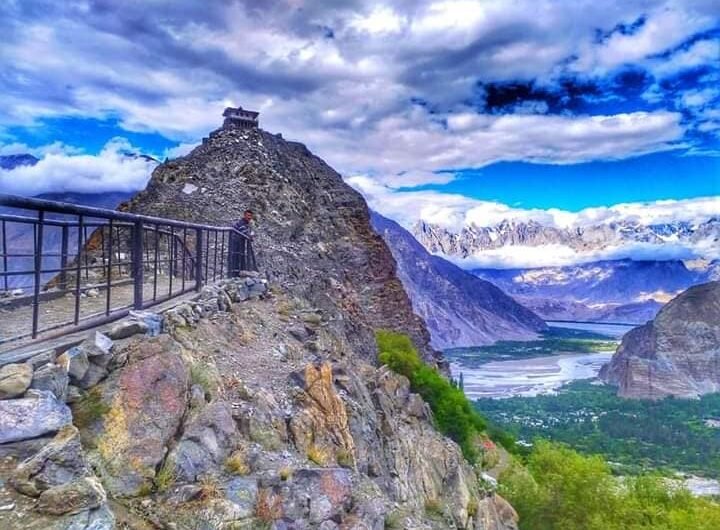
Pakistan has five of the world’s fourteen 8,000-meter peaks, old Silk Road valleys, and alpine landscapes that are just as beautiful as the Alps and the Rockies. But most people who come to the country from other countries only see a small part of what it has to offer. We’ve been running guided treks, expeditions, and cultural tours across the Karakoram, Himalayas, and Hindu Kush for seven years, and we’ve noticed a pattern: travelers often miss the best places to visit.
Why does this happen? How can you avoid it, though?
This guide tells you why many tourists miss the hidden places that make Pakistan unique and how serious trekkers from Europe, the US, and Australia can go beyond the obvious.
Tourists Follow Outdated Itineraries Instead of Exploring Hidden Places in Pakistan Travel
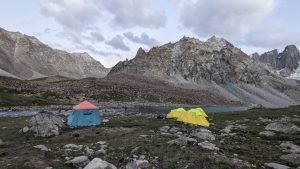
Many travel blogs about going to other countries still recommend the same classic route: Islamabad, Hunza Valley, Skardu, and Fairy Meadows. These places are beautiful. But they are only a small part of the adventure landscape in northern Pakistan.
Search trends show that more and more people are interested in lesser-known trekking routes in Pakistan, remote valleys in Gilgit Baltistan, and unique experiences in Pakistan. But most tour companies still use the same itineraries over and over.
Instead of going to the most popular viewpoints, experienced trekkers should think about going to Shimshal Valley, a high-altitude Wakhi community near the Pamir corridor; Naltar Valley, which is known for its alpine lakes and forest trails; and Haramosh Valley, which is fed by glaciers and has dramatic granite peaks. These places are real hidden gems in Pakistan that travelers don’t often get to see because they aren’t well-known.
Safety Misconceptions Prevent Deeper Exploration
Many people from the West are afraid to travel because they think it’s not safe. But big trekking centers like Skardu, Hunza Valley, and Fairy Meadows are safe and used to hosting foreign groups.
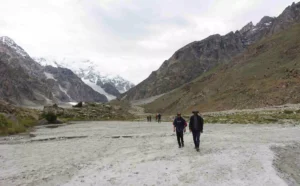
Every season, there are formal permit systems and professional logistical frameworks for high-altitude climbs to K2, Broad Peak, and Nanga Parbat.
Safety isn’t the real problem. It is access to experienced, licensed operators who follow international rules for managing risks, coordinating rescues, and following environmental rules. Professional planning makes it much less likely that things will go wrong.
Not having local knowledge makes it hard to get to remote valleys in Gilgit Baltistan.
Traveling alone is fine in cities, but it gets harder in high-altitude areas. To get to remote areas, you need special permits, 4×4 vehicles, certified mountain guides, satellite communication, and organized porter teams.
The famous Concordia trek, for instance, is at the meeting point of K2, Broad Peak, and Gasherbrum peaks. Access is very hard without organized logistics.
Because of a lack of transportation infrastructure, international trekkers also don’t visit valleys like Rama Valley and Phander Valley very often. Because of this, most tourists stay in towns that are easy to get to and miss out on real experiences in Pakistan that are off the beaten path.
Social media changes the way people see adventure tourism in Pakistan.
Digital platforms only show a few places, like Attabad Lake, the Passu Cones, and Rakaposhi viewpoints. These sites are impressive, but they only give a small taste of Pakistan’s mountain geography.
More and more adventure travelers are looking for Pakistan trekking tours, the K2 base camp trek, the best treks in Pakistan, and Pakistan mountain expeditions. But serious glacier crossings like Biafo Glacier and Hispar Glacier offer expedition-level experiences that are just as good as those in Patagonia or Alaska, but they don’t get as many visitors from other countries.
Travelers miss out on seasonal hidden gems because of bad timing.
The trekking calendar in Pakistan changes a lot depending on the height. In Hunza, spring lasts from April to June and is the time when flowers bloom. The best time to trek in the Karakoram is from June to September. October’s fall brings stunning golden landscapes.
Cultural Depth Is Frequently Overlooked
For example, Khunjerab Pass changes colors in the fall, and Deosai National Park is full of wildflowers in the summer. If you arrive at the wrong time, you might miss the best trekking conditions and beautiful scenery. Strategic planning based on seasonal goals makes sure that visitors get the most out of Pakistan’s hidden travel spots.
Environmental Responsibility Shapes the Future of Adventure Travel
The Karakoram’s high-altitude ecosystems are delicate. Mismanagement of waste and glacier retreat are persistent issues. Strict waste carry-back procedures, equitable porter wage guidelines, and the Leave No Trace philosophy are all implemented in responsible trekking operations.
When making travel plans, foreign tourists are increasingly considering sustainability standards. In addition to safeguarding the mountains, ethical operators enhance credibility and long-term trust.
How to Not Miss Pakistan’s Greatest Locations
On 6,000 and 8,000-meter routes, pick specialized Pakistan trekking professionals with demonstrated multi-season experience. Instead of requesting pre-made packages, ask for customized itineraries. Adapt your visit to the season’s goals. To get as much exposure as possible, mix well-known treks like K2 Base Camp with lesser-known valley extensions.
Concluding Remarks on Traveling to Hidden Locations in Pakistan
Pakistan is still one of the world’s last genuine high-altitude adventure destinations. Experienced travelers venture farther into glacier basins, Wakhi settlements, alpine plateaus, and isolated Karakoram valleys, while many tourists stick to the well-traveled corridors. Preparation, familiarity with the area, and expert expedition management are what make a difference.
The true opportunity for those seeking genuine trekking, mountaineering, and culturally immersive tours lies outside the typical routes. The most remarkable vistas are uncrowded. They’re just not given enough attention.
Comments