
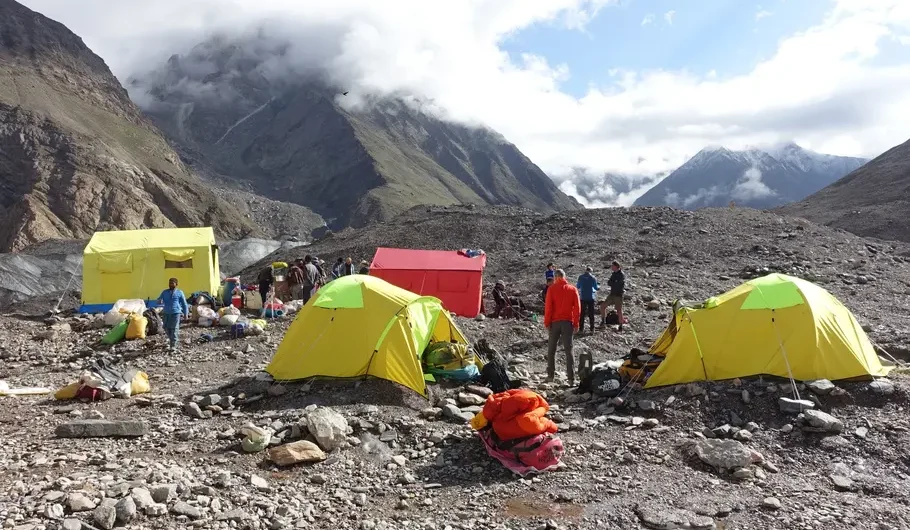
Never take the K2 Base Camp trek as just a hike; rather, it is a journey that leads you to the Karakoram Mountains, where altitude becomes the major challenge. Beating altitude sickness on this K2 trek is essential.
Once you climb above 4,000 m, the oxygen level drops sharply. As a result, altitude sickness is very common on the K2 Base Camp trek. It doesn’t only affect new trekkers; experienced trekkers suffer as well, often because they neglect basic instructions and best practices. The good news is that altitude sickness is largely avoidable with the right preparation and habits.
This guide explains seven simple, field-tested steps to help you stay healthy while trekking the Baltoro Glacier and beyond.
1. Ascend Slowly Through the Baltoro Glacier
To prevent altitude sickness on the K2 trek, the most effective way is slow ascent.
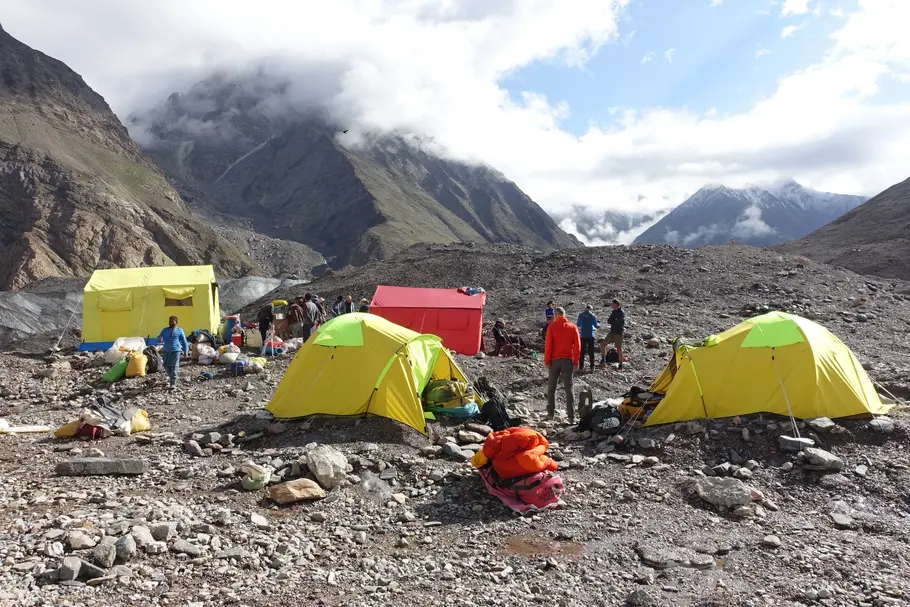
There is usually a rest day at Pajju campsite purely for acclimatization purposes. And from Pajju upward, the trek between campsites is very short because your ascent will be higher than earlier.
✔ Not recommended to rush between camps
✔ Respect the rest or the acclimatization days
✔ Always trek with slow pace and always with the group
2. Drink More Water Than You Think You Need
One of the primary reasons behind altitude sickness at higher altitudes is dehydration. Constant trekking, dry air, strong winds, and sunny days drain fluids more quickly. Therefore, hydration must be taken into account.
✔ Make a habit of taking 3-4 liters of water daily
✔ The kitchen crew will provide soups and mountain tea
✔ Use electrolytes when necessary
By doing so, the oxygen circulation in your body will be good enough to prevent you from getting sick.
3. Eat for Energy, Not Just Appetite
When you trek at high altitude, it is common to lose your appetite. Nevertheless, easting remain very essential, whether it’s a chocolate, biscuits, or whole food. The intake of carbohydrates makes your body adapt to the altitude faster.
- Rice, pasta, and potatoes
- Warm meals
- Small but frequent portions

4. Walk Slowly and Maintain Rhythm
This trek isn’t a race that somebody wins in a time. Rather, moving at a speed can cause problems here. Remain in a certain rhythm to avoid altitude-related sickness.
It is better to walk slowly, take baby steps, and take frequent breaks where necessary.
✔ Use pressure breathing on climbs
✔ Avoid racing other trekkers
✔ Conserve energy daily
By following these methods, you can dramatically reduce K2 Base Camp altitude sickness cases.
5. Learn the Early Symptoms of Altitude Sickness
If you feel any symptoms of the following, then immediately ask your local support to set up a camp for the night. If the symptoms remained till the next morning, then it’s better to close your trek ahead.
- Headache
- Dizziness
- Nausea
- Fatigue
- Poor sleep
Avoiding these symptoms will be very dangerous in this region
It will cause fewer issues with the remaining members of your group and you as well. You will be healthier down, and the remaining fit members can enjoy their trek without any hurdles on their way.
6. Use Medication Only as Support, not a Solution
Use medicines after a doctor’s consultation, like Diamox (Acetazolamide), which helps in acclimatization.
✔ Consult your doctor before the trek
✔ Never self-medicate on the trail
✔ Always follow your guide’s advice
7. Trust Local Guides and Be Ready to Descend
The experienced local guide in this region understands altitude very deeply. If they advise you to descend for 300-400 meters, accept the offer. Because such a minimum descent might bring immediate relief. Never consider this descent as your failure, but take it as a smart trekker who saved his own life.
Why Proper Planning Matters on K2 Treks
This region of Karakorum is very remote. The rescue options were very limited, but now Pakistan Army Aviation choppers are your only option. Which is way more costly than your entire trek. Therefore, prevention is critical.
At Visit in Pakistan, we design itineraries that prioritize:
- Gradual and safe ascent
- Proper acclimatization with resting days between
- Experienced and licensed local guides
- High safety standards
This approach significantly reduces altitude sickness on K2 treks.
Final Thoughts
We believe that altitude sickness should never ruin your K2 experience. By following the above seven step your trek to K2 Base Camp becomes more enjoyable.
If you are planning a K2 Base Camp trek in Pakistan, this guide is your foundation for a successful journey. You can also check our itinerary for the K2 base camp and other trekking option from our website.
Comments