
Introduction
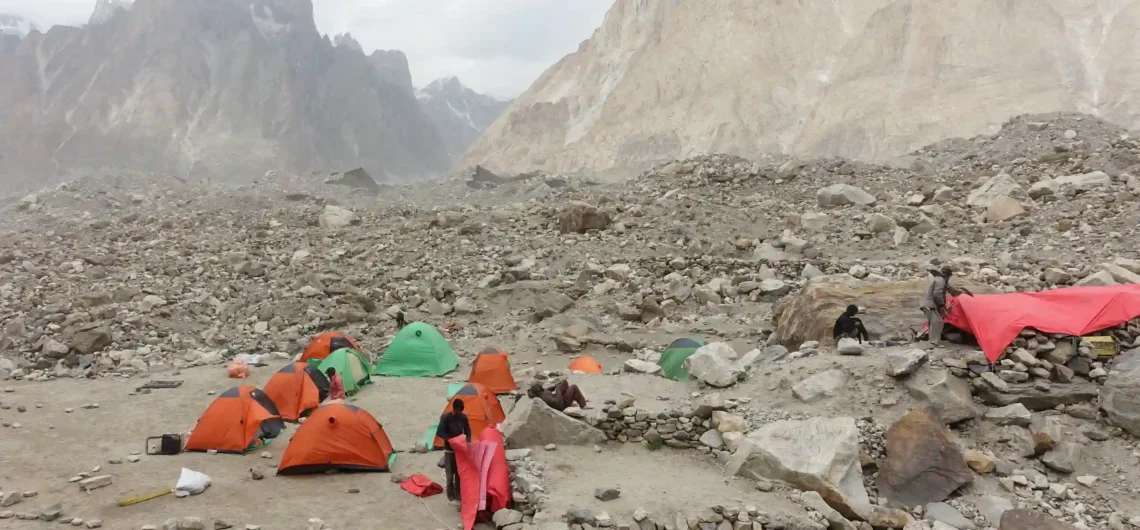
Pakistan features breathtaking trekking paths through the Karakoram, Himalayas, and Hindu Kush. These areas hold towering peaks, thick glaciers, deep alpine valleys, and untouched cultural spots.
The 2026 guide walks readers through key trails, route challenges, prices, safety tips, and step-by-step planning steps.
Why Trekking in Pakistan is Unique
Pakistan stands out for its immense 8,000m peaks, pristine valleys, vast glacier systems, and fewer visitors than Nepal. This offers a raw, authentic adventure, unlike commercial treks.
Major Trekking Regions
- Karakoram Range
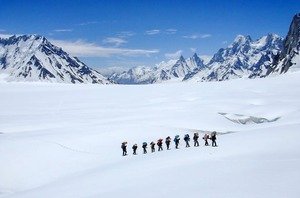
- K2 Base Camp
- Concordia
- Baltoro Glacier
- Broad Peak region
- Himalayas (Nanga Parbat region)
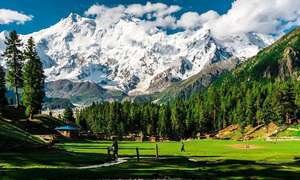
- Fairy Meadows
- Rupal Valley
- Raikot Glacier
- Hindu Kush
- Chitral valleys
- Tirich Mir
- Broghil region
- Remote alpine pastures
Trek Difficulty Levels
Easy Treks
- Fairy Meadows
- Rakaposhi Base Camp
Moderate Treks
- Hunza Valley hikes
- Nangma Valley
Difficult Treks
- K2 Base Camp
- Snow Lake Trek
- Shimshal Pass
Trekking Cost Overview
- Budget treks: $300 – $1000
- Mid-range treks: $1000 – $4,000
- Expedition treks: $4,000 – $9,500
Costs depend on:
- Route difficulty
- Duration
- Guide and porter services
- Transport logistics
Safety Overview
Trekking in northern Pakistan is generally safe when done through licensed operators. The main risks are:
- Altitude sickness
- Weather changes
- Glacier terrain challenges
Crime risk in trekking regions is extremely low.
Best Time for Trekking
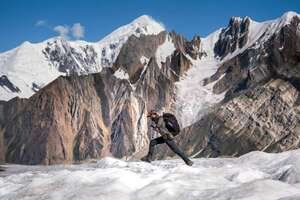
- June to September → Peak season
- April–May → Spring Valley treks
- October → Early autumn hikes
Planning Tips
- Always acclimatize properly
- Use experienced guides
- Carry layered clothing
- Book logistics early
Conclusion
Trekking in Pakistan offers one of the most authentic mountain experiences in the world. With proper planning, it is both safe and incredibly rewarding.