
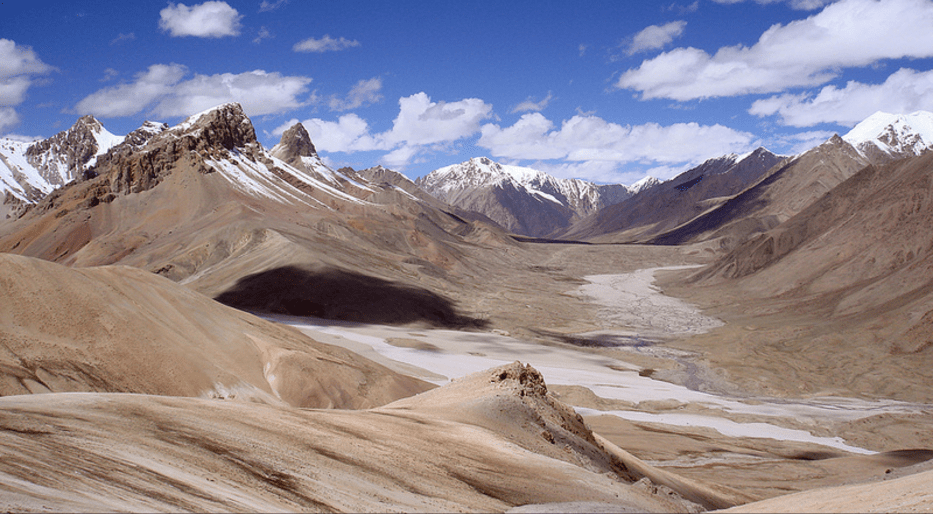
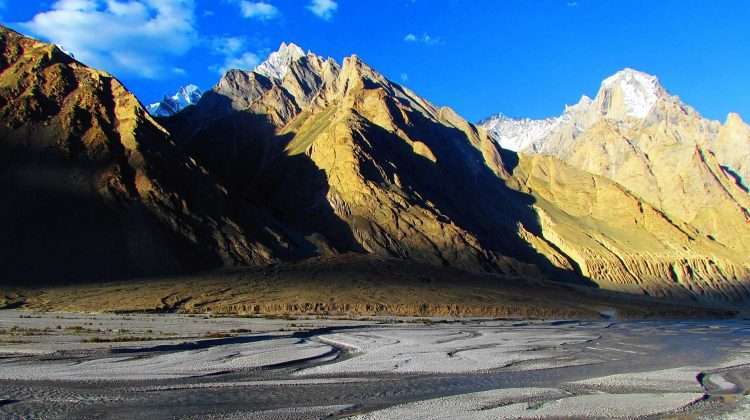
Shimshal Pass Trek is an unforgettable journey for adventure seekers, as it offers breathtaking views of the mighty Karakoram from the north and leads to the remote valley of Shimshal near Passu in Upper Hunza, close to Pakistan’s eastern Pamir. The walk will be both dramatic and rewarding, while historically this out-of-the-way region was once used by the Mir of Hunza for exile, yet today the Shimshalis are a proud, resilient people whose legendary hospitality and striking natural surroundings make the valley feel like a place of blessing rather than punishment.
MAIN ATTRACTIONS OF SHIMSHAL PASS TREK
Shimshal Pass Trekking now veers northwards from Shimshal. So, we enter the lovely and remote Ghujerab valley. Because here we cross the Boesam Pass and the Chapchingiol Pass to reach the trailhead at Kuksel. This is where we meet the KKH and our jeeps, which will transport us back to Hunza.
Shimshal pass trekking leads us to Kukse, which takes us into a very remote area and also gives us a chance to see some of the endangered wildlife in the Khunjerab National Park. Also, if we are lucky, we may observe Markhor, Ibex, Marco Polo Sheep, and even the elusive magnificent Snow Leopard. Because this is an ideal high Pamir meadow country strewn with thousands of colorful flowers. Because Shimshal Pass Trekking is a challenging trek, ropes are provided for various river crossings and aid at other steep places.
Duration: 23 days
Camping Nights: 14 days
Hotel Nights: 08 days
Maximum Altitude: 2880 meters
Best Season: Late May to early October
Location: Karakoram Range
Day 1, Islamabad
Hotel, trek briefing. We will have city sightseeing. We may also drive to the modern Faisal Mosque in Islamabad.
Day 2, Gilgit (1,500 m 4,900 ft)
We will fly in a Fokker Friendship turboprop plane, which flies at an altitude of about 4,500 m. It is surrounded by high peaks. In Gilgit, we have time to shop and do some sightseeing.
Day 3, Gulmit (2,400 m 7,870 ft)
Today 5-hour drive into the northern Hunza valley. Gulmit is a small town on the KKH.
Day 4, Dut (2,600 m 8,530 ft)
From Gulmit, we drive to Passu, crossing the Hunza River. This is a formidable place with steep walls on both sides. We will try to drive to Dut. The trip from Gulmit takes about 3 to 4 hours of driving.
Day 5, Ziarat (2,600 m 8,530 ft)
This is a tough day’s walk through some scree slopes. We are lucky that bridges have been built to help us cross the Shimshal River a couple of times. The walk takes about 6 to 7 hours.
Day 6, Malunguti (2,800 m, 9,200 ft)
In 3 to 4 hours of walking, we will reach our campsite next to the Malunguti Glacier. This is an excellent spot to rest a little after walking through the Shimshal gorge. We will be crossing mountain streams on the way.
Day 7, Shimshal (2,900 m 9,500 ft)
We have to cross the problematic Malunguti Glacier before seeing the beautiful terraced fields of Shimshal village. The walk takes about 3 to 4 hours, and on our right, we can see the towering Distaghil Sar.
Day 8, Shimshal (2,900 m 9,500 ft)
Shimshal is the heart of the Gojal region of Hunza. Old Hunza traditions have been preserved here in this remote and inaccessible village. This is an excellent place to rest and meet with the incredibly hospitable locals.
Day 9, Zardgarben (3,800 m 12,460 ft)
In about 5 to 6 hours of trekking uphill, we will come to Zardgarben. This is an excellent place to acclimatize.
Day 10, Jaffar Wasshk (4,300 m 14,100 ft)
This takes 4 to 5 hours, and we will be able to see some Ibex on the way. This is a campsite with many flowers.
Day 11, Hindjerab (4,000 m 13,120 ft)
Today we will cross the Boesam Pass (4,600 m.). The walk takes about 6 to 7 hours. The pass is non-technical.
Day 12, Wierben (3,600 m 11,800 ft)
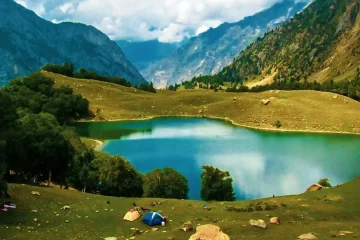
Follow the Boesam valley down to Wierben. In the meadows during the summer, villagers bring their yaks to graze.
Day 13, Chapchingiol Valley (3,700 m 12,140 ft)
After crossing the Ghujerab River on a ‘garari’ or with the help of ropes, we enter the arid Chapchingiol gorge. Here we have to cross the river a few times. Strings will be provided to help us through this part. This may take 2 to 3 hours.
Day 14, Chapchingiol High Camp (4,000 m 13,120 ft)
In another 2 hours or more, we will come to our high camp before crossing the nearly 5,000 m. Chapchingiol Pass.
Day 15, Kuksel Valley (4,600 m 15,100 ft)
This is a long 8-hour trek. We ascend over scree slopes to the top of the Chapchingiol Pass, covered in snow and ice. The descent is tricky, and ropes are fixed. The staff is still ready to help and assist in any way. Camp once off the glacier.
Day 16, Kuksel Springs (4,400 m 14,430 ft)
In 3 hours or so, we reach the shepherd huts of Kuksel along the KKH. We walk along the Kuksel River.
Day 17, Gulmit (2,400 m 7,870 ft)
The drive takes about 3 to 4 hours. It is a beautiful feeling to complete a challenging and very remote walk through the Shimshal region and the Khunjerab National Park.
Day 18, Karimabad (2,440 m 8,000 ft)
A short drive on the KKH brings us to Karimabad. We will have time for sightseeing in this magical place.
Day 19, Gilgit (1,500 m 4,920 ft.)
Hotel, drive. We return to Gilgit and have ample opportunity to visit the Central Asian bazaars of Gilgit.
Day 20, Besham
Hotel, drive. In about 8 hours of driving on the KKH, we will arrive at Besham, located above the Indus River, to the local tribesmen.
Day 21, Rawalpindi/Islamabad
Hotel, drive, and trek debriefing. In another 8 hours of driving on the KKH, we arrive back in the Twin Cities.
Day 22, Rawalpindi/Islamabad
Note:
will be used as a ‘cushion’ day in case of delays in travel due to weather, route change, health, acclimatization issues during the trek, etc.
What is the Shimshal Pass Trek?
The Shimshal Pass Trek is a remote, high-altitude trekking expedition through the Shimshal Valley in Gilgit-Baltistan, Pakistan, crossing one of the historic mountain passes in the Karakoram Range and exploring high meadows, glaciers, and Pamir-style alpine terrain. Trekkers traverse rugged valleys, high camps above 4,500 m, and encounter diverse mountain scenery.
Where is Shimshal and the pass located?
Shimshal Valley lies in the extreme upper Hunza region of Gilgit-Baltistan, north of Passu. The pass itself is situated high on the watershed between the Shimshal glaciers and the Chapchingiol side, connecting valleys and offering access to remote highland routes.
What is the typical duration of this trek?
Visit in Pakistan’s itinerary spans 22 days from Islamabad to Islamabad including travel, trekking, acclimatisation, and return.
What is the highest altitude reached?
The trek reaches approximately 4,600–4,700 m at sites like Boesam Pass and Shimshal Pass itself.
What is the difficulty level?
The trek is challenging to strenuous due to long trekking days, high altitudes, glacier crossings, and steep terrain. It requires good physical fitness, high-altitude experience, and strong hiking stamina.
Do I need prior trekking experience?
Yes—while no technical climbing is involved, prior multi-day trekking experience and comfort at altitude are strongly recommended because of sustained uphill sections and remote terrain.
When is the best time to trek?
The best season is late June to early September, when snow melts from trails and conditions are more stable. Outside this window, deep snow and icy passes make the route much more demanding.
Are permits required?
Yes. Trekking in the Shimshal region and crossing high passes generally requires official permits arranged through a licensed operator like Visit in Pakistan due to restricted area regulations.
Is a guide required?
Yes, a licensed local guide is recommended for safety, navigation, and logistical coordination in remote terrain. Operators typically provide guides, porters, and support staff.
Is altitude sickness a risk?
Altitude sickness can occur above 3,000 m. Guidance on acclimatisation and proper pacing is provided in the itinerary. Hydration, rest, and slow ascent practices help reduce risk.
What kind of terrain will I encounter?
The route includes steep scree slopes, glacier approaches, river crossings, moraine tracks, high alpine pastures with yak grazing, and remote valleys with few signs of human habitation.
What weather should I expect?
Mountain weather is unpredictable; mornings are often clear, while afternoons may bring clouds or light snow/rain. Nights at high altitude are cold even in summer.
Is the trek suitable for beginners?
No. This trek is best for fit and experienced trekkers who are comfortable with high-altitude long-distance walking and basic glacier terrain.
What are accommodation and meals like?
Camping in tents is the primary accommodation during trekking days. Hotels/guesthouses are provided at start/end points such as Gilgit, Karimabad, and possibly in Shimshal village. Meals (breakfast, lunch, dinner) are usually included during trekking.
What transport is involved?
Transport includes flights (often Islamabad to Gilgit) and long jeep/road transfers along the Karakoram Highway to reach Passu and the Shimshal trailhead.
Will I see wildlife or unique culture?
Shimshal is known as one of the most remote valleys in Hunza and preserves ancient Wakhi/Balti traditions. Wildlife includes ibex and other mountain species.
Is mobile phone signal available?
Mobile signal is generally limited or nonexistent in high valley and pass regions; operators use satellite or radio for emergency communication. (inferred from route remoteness and common trekking norms)
What gear should I bring?
Essentials: sturdy boots, layering clothing, waterproof shell, trekking poles, sun protection, hydration system, first-aid kit, and high-altitude sleeping bag. (general trekking gear norms)
What if flights are cancelled?
Plan may include cushion days or an overland drive via the Karakoram Highway back to Islamabad if weather delays flights.
Can the trek be customised?
Yes — operators tailor itineraries for fitness, time, and weather, sometimes adding buffer days or alternative routes within the valley. (operator best-practice standard)
What views can I expect?
Panoramic vistas of the Karakoram landscape, including high peaks above Shimshal, glacial valleys, and alpine meadows with yak pastures.
Services Included
- Liaison with the Ministry of Tourism in Islamabad for the climbing permit process, providing the appointed Liaison officer’s measurements for his prescribed kit.
- Process during import/export permit from the Ministry of Tourism.
- Clearance of cargo before the arrival of the team and its storage.
- Assistance upon arrival/departure.
- Official Briefing/Debriefing.
- Hotel accommodation in Rawalpindi/Islamabad, Chilas.
- All meals during the trek and at B.C. as per the itinerary.
- Porterage of 75 kg per person of expedition equipment and high altitude food, etc., to the B.C., and 50 kg per person on return from B.C.
- Road transfers between the airport/hotel and within the city as per the itinerary.
- Sleeping tents, mattresses, mess, kitchen, and toilet tent with tables/field stools and camping ground fees.
- Kitchen equipment, crockery, cutlery, fuel, and related community gear.
- Wages and basic kit of guide, sirdar, cook, and assistant(s).
- Insurance for our field staff and low-altitude porters (except for helicopter rescue).
- Porterage at airports, hotels, toll taxes, and parking fees, etc.
- Mail handling/forwarding to B.C./overseas except for postage charges.
- Reconfirmation of air tickets.
- Hiring of HAPs, mail runner(s), and any other crew as per requirement. (Wages and kit to be arranged by the team).
Services not Included
- International & domestic airfare, airport tax, and excess baggage charges.
- High altitude porters/any crew above B.C.
- Helicopter emergency rescue fees (refundable if not used)
- High altitude tents, sleeping bags, personal and climbing equipment of any kind beyond base camp, including high altitude food and oxygen.
- Medications, ground evacuations, and helicopter rescue charges of any kind.
- Room services, laundry, beverages, phone/communication bills, and items of a personal nature.
- Insurance liability of member (s) and other under force majeure conditions.
- Climbing Permit, Pollution and Environmental fee, or any other payment required to be paid to Pakistan’s Government.
- Clearing agent charges.
- Members climb gears
- Member’s personal insurance
- High altitude food
- High altitude porter
- Any other service not mentioned in the above list
Budget-Friendly Tour and Trekking
All our tours and treks are budget-friendly, without compromising comfort or service quality. At Visit in Pakistan, we take pride in delivering reliable service, which is why many clients choose to travel with us again. Moreover, our premium services are equally appreciated by corporate groups, business travelers, and high-profile clients. From affordable adventures to luxury experiences, our Five 8,000 m Base Camp Trek is a perfect example of the quality we offer.
Experienced Local Team for Your Journey
Our certified mountain guides and porters are born and raised in Baltistan. Therefore, they know every rock, glacier, and trail. With decades of experience, they make your journey safe, seamless, and unforgettable.
Tailor-Made Itineraries
We customize each itinerary to match your schedule, budget, and interests. From flight bookings to basecamp logistics, our team manages everything. As a result, you can focus entirely on enjoying the TREK and tour experience.
Safety and 24/7 Backup Support
Your safety and comfort come first. In addition, we provide full backup support, including rescue coordination, reliable transportation, and on-ground communication. This ensures peace of mind throughout your adventure.





Tour Reviews
I was wondering to do it but after crossing the pass, I felt, I did a great job. Because Gondogoro La is nothing difficult when we compare it to this.
I must thank to Visit in Pakistan Tours Team for making this possible for us. Without their guidance and ground services, we weren’t able to do so.
Thank You
Nice post. I learn something more challenging on different blogs everyday. It will always be stimulating to read content from other writers and practice a little something from their store. I’d prefer to use some with the content on my blog whether you don’t mind. Natually I’ll give you a link on your web blog. Thanks for sharing.
WONDERFUL Post.thanks for share..extra wait .
Leave a Review